
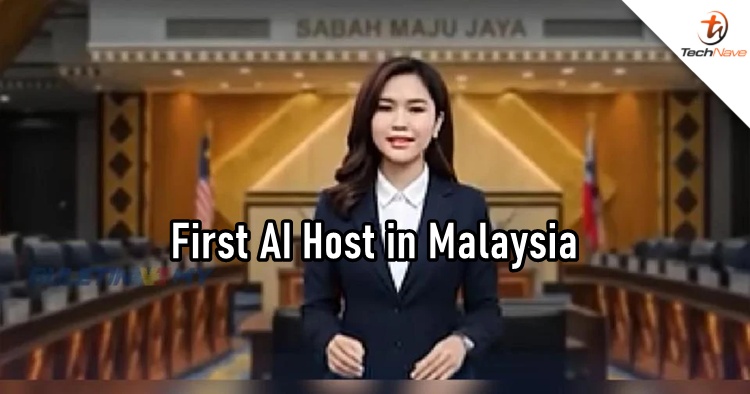
In a first for Malaysia’s broadcast media, TV3 has embraced artificial intelligence by deploying an AI-powered host called “Sofea”. "She" was designed to present election coverage around PRN Sabah ke-17, which marks a significant milestone not only for TV3, but for local adoption of AI in live media and political reporting.
What Makes “AI Host” Different
According to the broadcaster, using an AI host allows continuous coverage without the logistical constraints associated with human presenters. The AI host can deliver real-time updates, segment transitions, and information around the clock, which is especially useful during election periods where developments are fast and frequent.
For this election cycle, “Sofea” is programmed to present election updates, candidate lineups, and related news, as well as providing viewers with a consistent and always-on source of information. The use of AI also reflects broader trends in media: leveraging automation to augment, not entirely replace, traditional workflows, potentially increasing efficiency and lowering the risk of human error during live coverage.
Context: AI in Sabah’s 2025 Election Cycle
The use of an AI host by TV3 comes alongside other AI-driven media and political innovations in Sabah this election cycle. For instance, a major political coalition has launched an AI chatbot to introduce its candidates and counter misinformation.
Political analysts view these developments as part of a broader shift: elections in Sabah (and Malaysia) are not just tests of public sentiment — they are increasingly becoming experiments in how emerging tech like AI can influence information dissemination, media consumption, and voter engagement.
What This Means for Malaysian Media and Elections
TV3’s AI-host experiment could signal a turning point for Malaysian media. If successful, it may pave the way for more frequent use of AI anchors, automated news generation, and hybrid human-AI presentation across live broadcasts, not just for elections but for breaking news, live events, and around-the-clock coverage.
For election watchers and voters, the benefit could be more timely, consistent, and rapid updates, but with that comes the need for media literacy: understanding when content is automated, how it’s generated, and maintaining scrutiny of potential biases or technical glitches.
For the broader media industry, this move underscores how legacy broadcasters are adapting to the changing digital landscape, embracing AI not as a novelty but as a tool that may soon become part of standard broadcasting infrastructure.
That said, this also raises new questions about transparency, trust, and content authenticity, especially in a context as sensitive as elections. But what do you think? Let us know about it, and stay tuned for more trending tech news at TechNave.com.



COMMENTS