
AI tools like ChatGPT are gaining popularity. They can write, answer questions, help with school work, or even create songs and pictures. Some people are excited, but others feel nervous. It's now normal to wonder what's real and what's not.
Here's a simple guide on what you don't need to worry too much about, and what you should keep an eye on regarding Generative AI.
What You Probably Shouldn't Worry About
AI is taking over the world
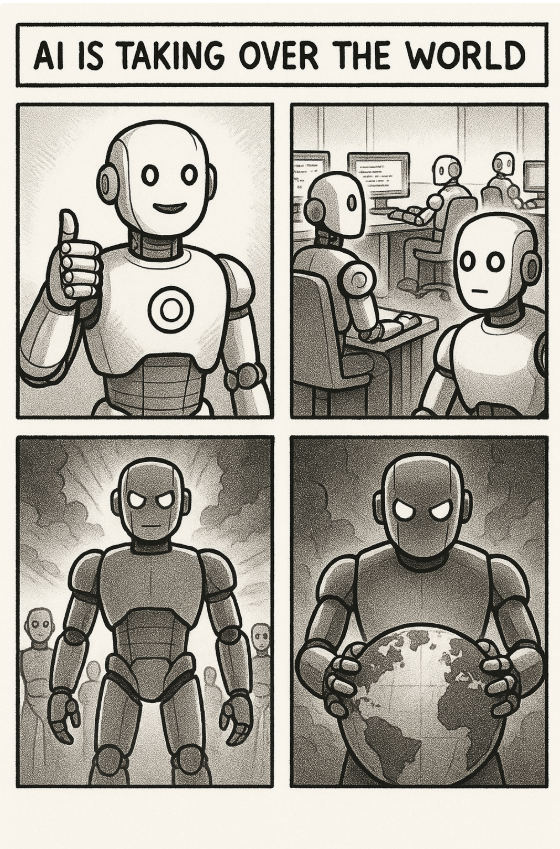
Right now, AI tools like ChatGPT perform what they're programmed to do. They don't have emotions, goals, or intentions. There is no proof that they can act on their own or plan anything.
That means AI taking over the world like in the movies isn't something to worry about today. Experts at Stanford, TIME, and other trusted institutions confirm that AI is just a tool - advanced, but not conscious or sentient.
AI being smarter than people

Generative AI is actually not very good at playing chess
Yes, AI can write essays, solve math problems, or suggest recipes. But that doesn't mean it's smarter than you. It doesn't understand what it's doing. It just predicts things and then puts words together in a smart way using patterns.
However, AI can still get things wrong. Sometimes it makes up stuff and sounds very confident of itself, even when it's wrong. So, while it might seem clever, it doesn't really "know" anything like a human does.
AI is taking over every job
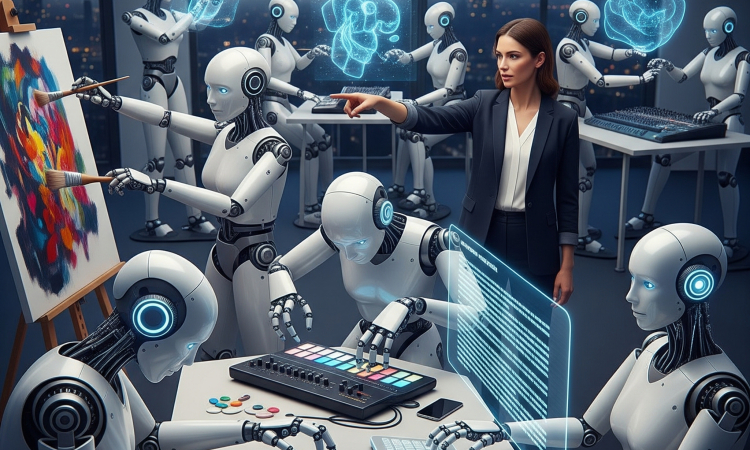
AI will change how people work, but it won't replace every job. It mostly automates repetitive, digital tasks. Roles that need a human touch - including teaching, nursing, cooking, and management - still need humans.
In fact, studies show AI is affecting over 700 different jobs in the U.S., impacting about 25% of the tasks in those roles. So far, AI is mostly assisting workers, not replacing them.
AI becoming alive or sentient
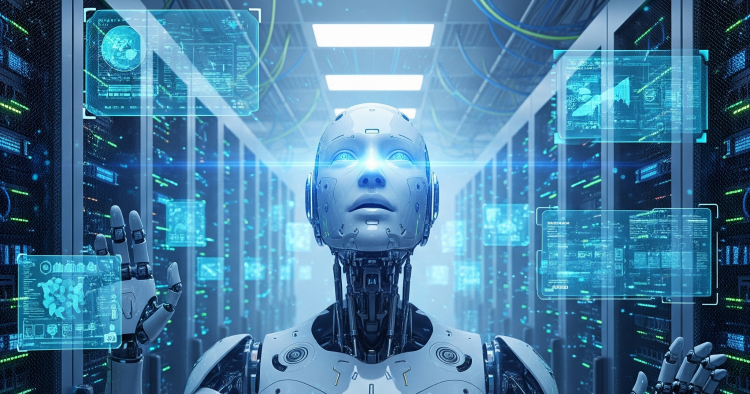
Some people think AI might become alive or "wake up". That's not true. AI doesn't have a mind or soul. It doesn't know it exists. Even when it says things like "I think", it's just copying phrases from the internet.
It can sound human, but it's not. AI doesn't feel, dream, or care about anything. It's a tool - like a calculator or search engine, just more advanced.
What You Should Worry About
Privacy and personal data
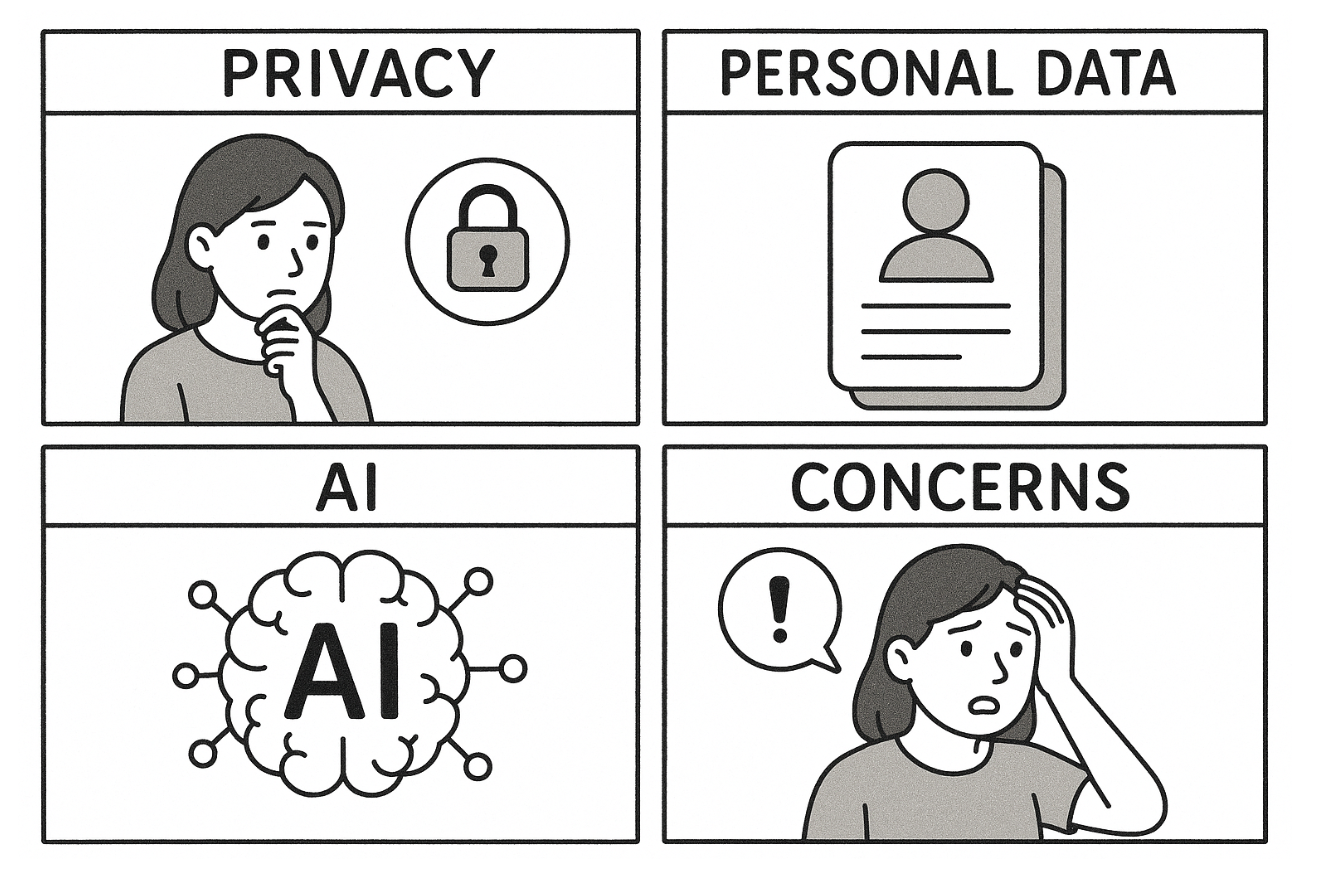
Looks like our AI friend might take our prompts too literally
AI trained on massive data can guess things about you like your age, gender, race, or job - just from what you type. Research shows models like GPT?4 can do this with 85–95% accuracy.
That means even if you avoid typing private info, AI may still infer data about you. So, be cautious when sharing any personal text or details with AI tools. In addition, if you don't set it to private, certain Generative AI will make your chats searchable on Google, so it's not the best platform to hide your secrets.
Bias and fake information
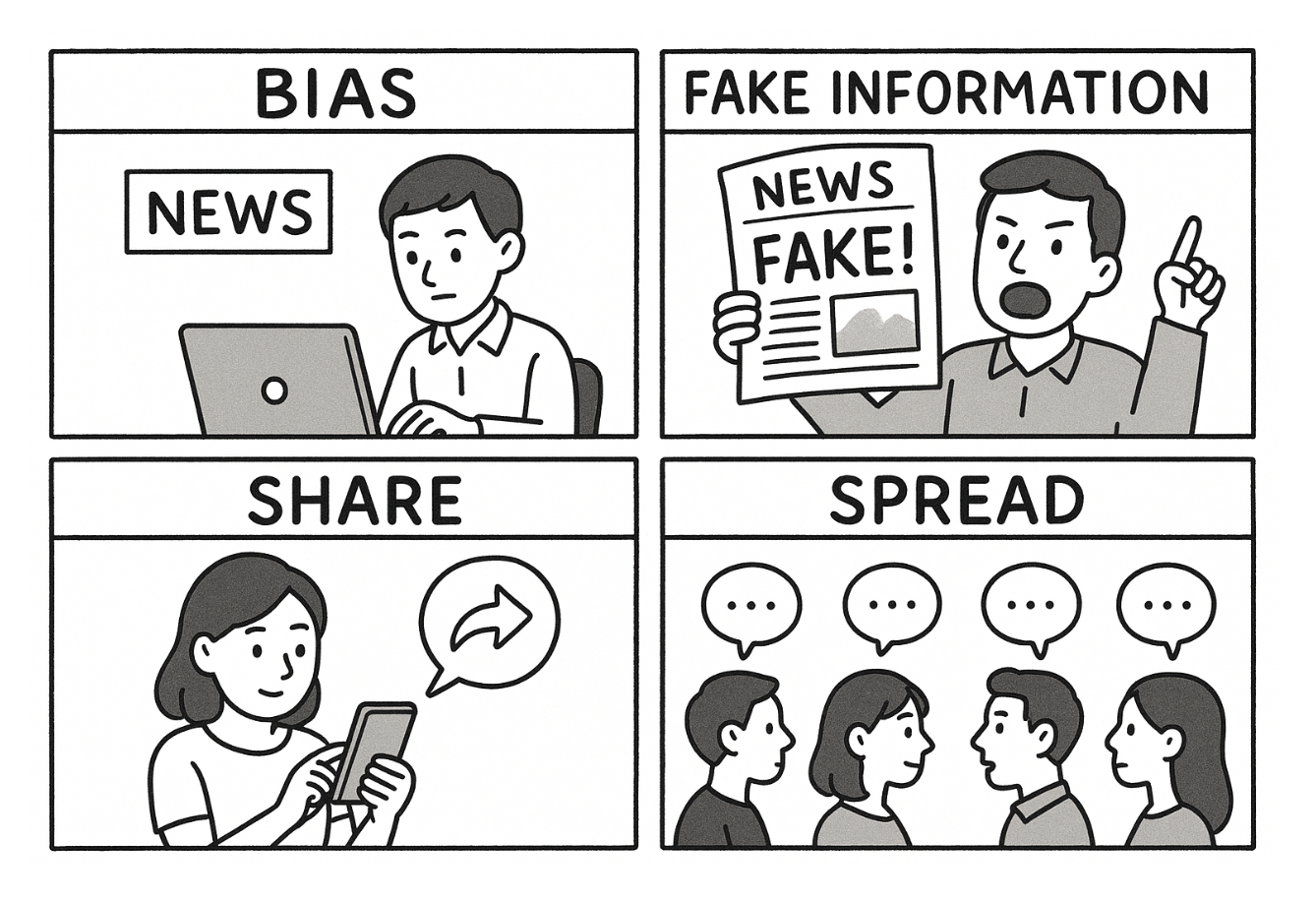
AI learns from training datasets that have been selected by its developers. As such, they contain bias from these developers. This could result in it unintentionally repeating stereotypes or unfair ideas. In testing, AI used for hiring or policing has shown biased output.
AI can also hallucinate, or make up facts that sound true. This often happens when the AI does not know the answer. For important decisions (health, legal, school), always double-check AI outputs (although we would recommend always double-checking with the assumption that AI can or will make a mistake every time).
Some jobs might go away
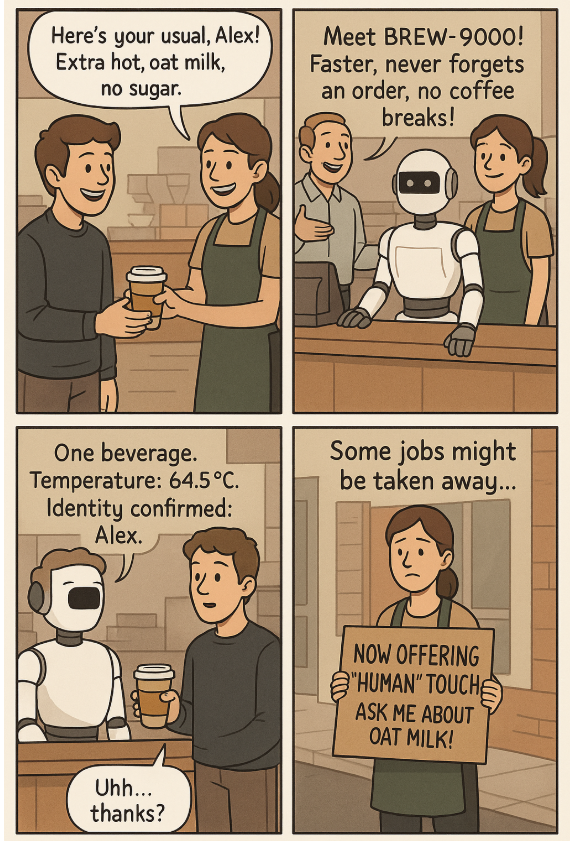
Not every job faces AI upheaval, but some are at higher risk. A Microsoft survey recently showed 40 occupations - such as writing, customer support, or translation - as being the most vulnerable.
Job listings in AI-exposed fields dropped 31% since 2022. Drivers like office assistants, some tech roles, or data support are seeing the biggest impact. However, in some cases, employees had to be rehired because AI couldn't fulfil the expectations of the management who fired the employees in the first place.
As we've mentioned before, Generative AI need either original human created content or human annotated training datasets to remain effectively intelligent enough to do the work. As such, there has been an increase in data annotation jobs for humans as well.
Fake videos and voices (Deepfakes)
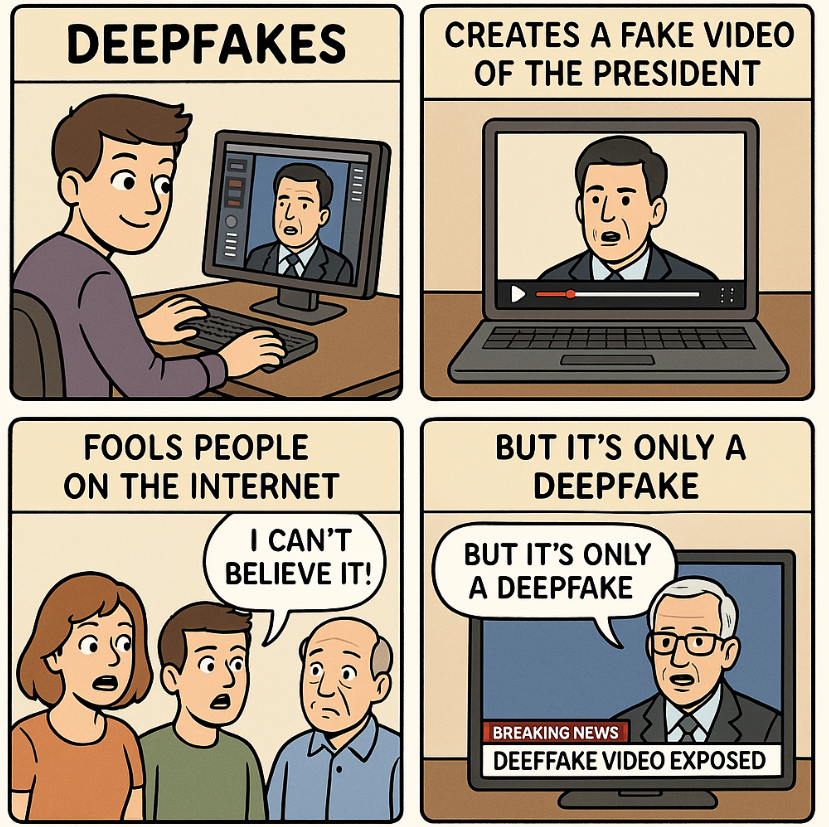
Deepfake scams are skyrocketing. A Regula report found 92% of businesses suffered financial loss from deepfakes, with an average loss of nearly $450K (~RM1.9 million). In financial companies, average losses exceed $600K (~RM2.5 million), and 10% lost over $1M (~RM4.2 million).
Q1 2025 deepfake scams cost over $200 million (~RM 853 million) in just three months worldwide. One case alone involved a $25 million (~RM107 million) payout by a business in Singapore. Criminal rings using AI scams in Asia have made billions.
Using AI too much
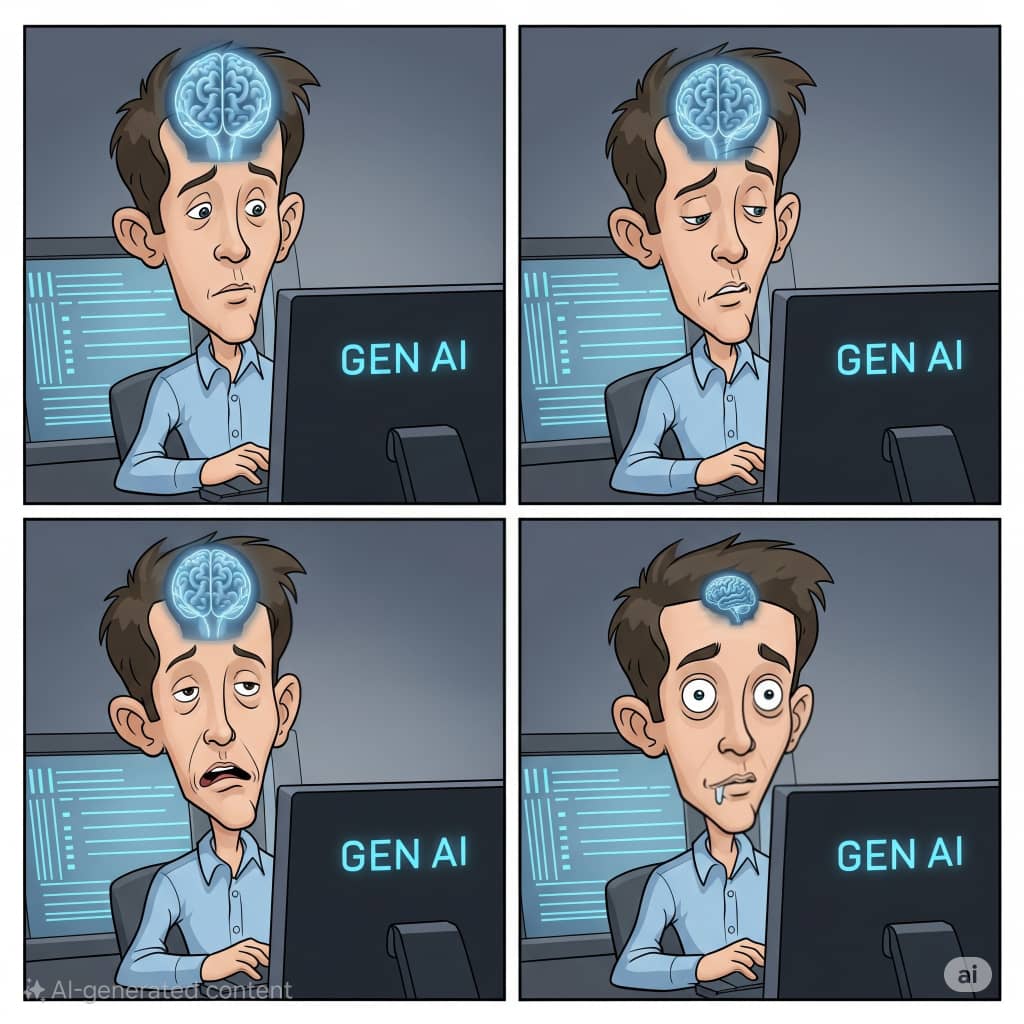
AI can handle a lot of work for us - emails, summaries, basic analysis. McKinsey estimates that AI might handle up to 40% of daily tasks.
But if you rely too much on it, you may stop thinking deeply, questioning, or being creative. Use AI as a co-pilot, not a crutch.
For a more comprehensive insight, you can refer to the table below:
| Concern | Why It’s a Problem | Key Supporting Data / Findings | Source(s) |
|---|---|---|---|
| Privacy and data leakage | AI can guess your personal info from what you type | Infers gender, age, location with up to 95% accuracy from text | arXiv privacy inference study |
| Bias and false info (hallucination) | Can repeat stereotypes or confidently generate false facts | Risky for hiring, news, education, or healthcare uses | MIT Sloan, MDPI |
| Job loss in certain sectors | Some desk-based jobs are highly exposed to AI automation | 40 jobs listed as high risk; 31% drop in job openings in key fields | Microsoft, Business Insider |
| Fake content (Deepfake) | Deepfake scams cause financial harm and reputational damage | 92% of firms impacted; $200M+ in fraud in Q1 2025; some companies lost $600K+ | Regula 2024, Financial IT survey |
| Over-relying on AI for thinking | Can dull human creativity and decision-making | AI could automate up to 40% of daily work tasks | McKinsey, MIT Sloan |
For a quick summary, you can check out the table below:
| Concern | Risk level | Why you should or shouldn't be worried | Key Stats |
|---|---|---|---|
| AI takeover | Low | No goals, no consciousness | Not capable of independent action |
| AI smarter than humans | Low | Doesn’t understand or reason | Hallucinates, no real reasoning |
| AI replacing all jobs | Medium | Supports tasks, doesn’t fully replace humans | Affects ≈25% of tasks across 700 jobs |
| AI becoming sentient | Low | No real awareness or emotion | Language simulation only |
| Privacy risk | High | Can infer private info | 85–95% accuracy in personal inference |
| Bias & misinformation | High | AI can repeat stereotypes or invent false facts | Demonstrated in hiring & medical studies |
| Job disruption in digital roles | Medium-High | Office jobs most vulnerable | 40 roles at risk; 31% fewer job posts |
| Deepfake fraud | Very High | Scams are costly and rising | 92% businesses impacted; $200M+ in Q1 |
| Over-reliance on AI | Medium | Weakens critical thinking | AI could do 40% of work, leaving humans dull |
Conclusion - The power is in your hands
As AI becomes more common in our daily lives, it's important to stay informed. Use it to help you work smarter, but always keep control. Know the risks, ask questions, and don't be afraid to double-check what AI gives you.
The future with AI doesn't have to be scary, as long as we stay aware and use it wisely.
Did this article catch your attention? Stay tuned for more news like this at TechNave!




COMMENTS