

The WHO 2025 report reveals that the use of electronic cigarettes (e-cigarettes) has increased dramatically, creating an increasingly worrying public health threat. So, what should you know about it?
A new nicotine threat
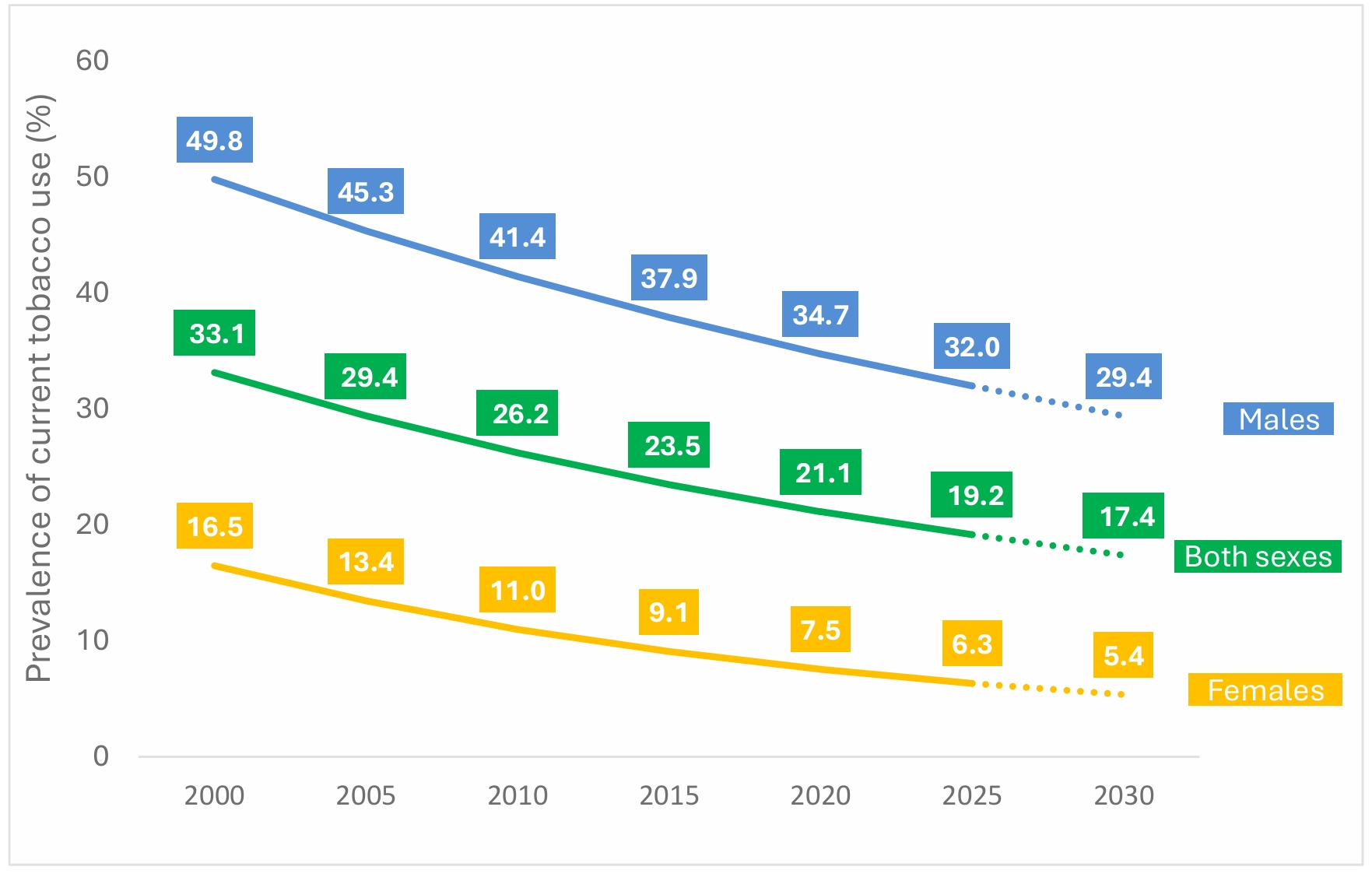
While traditional smoking rates are declining globally, the tobacco industry is now turning to new nicotine products such as vapes and nicotine patches.
"The increase in use among youth, as evidenced by surveys, the spread of products in the global market and aggressive marketing, including to children and adolescents, prompted WHO to issue a call for action to prevent the use of electronic cigarettes and combat nicotine addiction," WHO said.
WHO estimates that there are more than 100 million e-cigarette users worldwide, including around 14.7 million adolescent users aged between 13–15 years. The findings are the result of data collected from 123 countries.
Marketing plays a huge role in this problem
Moreover, this shows how effective the marketing of this product is in attracting the interest of young people. Although often promoted as a "harm reduction" alternative, the WHO insists that e-cigarettes are not safe.
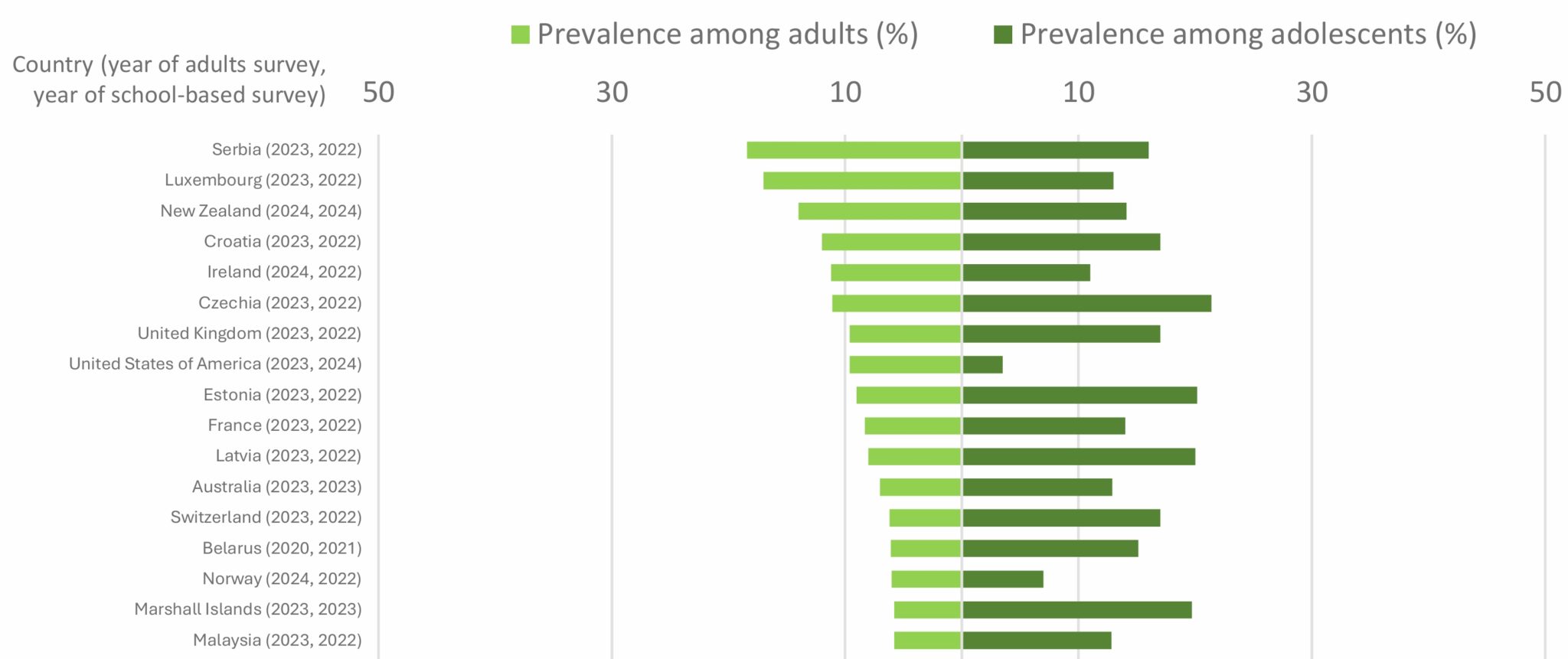
On the contrary, it introduces nicotine to adolescents earlier, potentially damaging the progress made in tobacco control over the past few decades. Based on data from the chart above involving 63 countries, the WHO concluded:
"Prevalence rates among 13–15 year olds in these 63 countries were on average nine times higher than prevalence rates among adults, meaning that half of the countries examined had a ratio of 9 to 1 or higher. Only six countries found that adults used e-cigarettes at higher rates than 13–15 year olds."
In their full report, the WHO concluded that e-cigarettes are triggering a new wave of nicotine addiction that is difficult to control.
Malaysia needs to take lessons from this report by tightening regulations on vaping products and raising public awareness. Without firm action, we risk seeing an increase in nicotine addiction among the younger generation who are supposed to be protected.
Did this news catch your attention? Stay tuned for more news like this at TechNave!






COMMENTS