
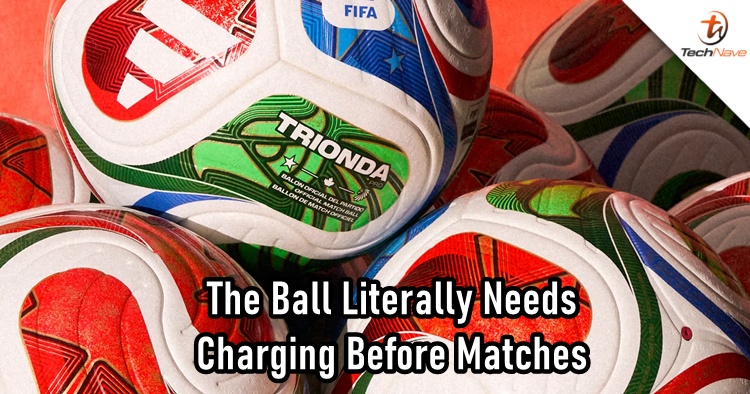
The official match ball for the upcoming FIFA World Cup 2026 has officially stepped into the spotlight, and this time, it is bringing significantly more technology than previous generations. Called TRIONDA, the new ball represents a major evolution in both football design and connected technology, becoming one of the most advanced World Cup balls ever created.
The Ball Literally Needs Charging Before Matches
Perhaps the biggest talking point surrounding TRIONDA is that it actually requires charging. Inside the ball is a built-in 500Hz motion sensor chip capable of tracking ball movement hundreds of times every second. This connected-ball technology continuously sends data to match officials and video systems in real time.
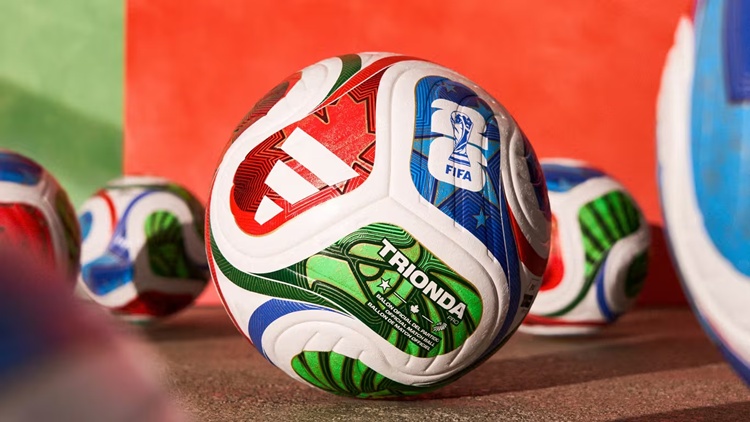
Because of this internal hardware, the ball contains a battery that must be charged before matches. The internal battery reportedly lasts around six hours during usage, ensuring it can comfortably survive match conditions while continuously transmitting movement information.
Built To Help VAR Make Faster Decisions
The motion sensor system works alongside stadium cameras and officiating systems to help improve decision-making during matches. This includes assisting with offside calls, determining precise ball contact moments and providing additional data during controversial situations involving penalties, handballs or multiple touches.
FIFA says the system provides more precise real-time data for match officials. Connected ball technology previously appeared during earlier tournaments, but FIFA says TRIONDA introduces a more advanced implementation for 2026.
New Four-Panel Design Changes How The Ball Behaves
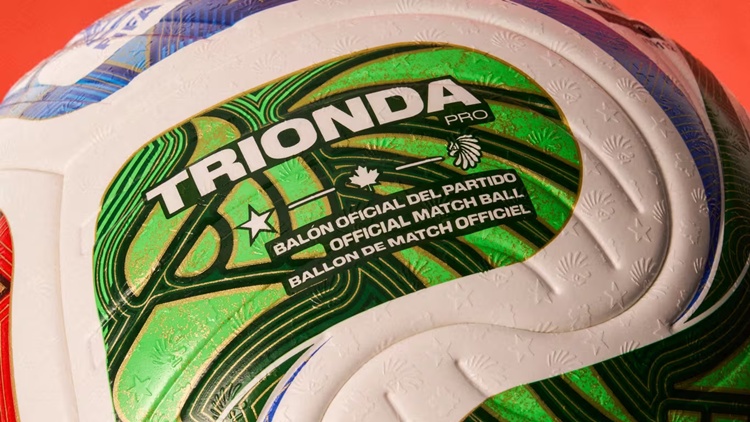
TRIONDA also introduces one of the most radical World Cup ball constructions yet. Instead of using larger numbers of panels like traditional footballs, Adidas moved to a four-panel construction with deeper seams and fluid geometry.
According to FIFA, this design is intended to improve flight stability, aerodynamics and overall consistency during movement through the air. Textured surfaces are also designed to improve grip during wet conditions. This makes TRIONDA the World Cup ball with the fewest panels ever used in the tournament’s history.
Football Equipment Is Becoming A Smart Device
What used to be a simple football is increasingly becoming a connected device packed with sensors, real-time analytics and officiating tools. Whether fans love the idea or not, TRIONDA signals that technology is becoming as important to football equipment as the physical design itself.
But what do you think of the football tech upgrade? Was it necessary? Let us know on social media channels, and stay tuned for more trending tech news at TechNave.com.
COMMENTS