
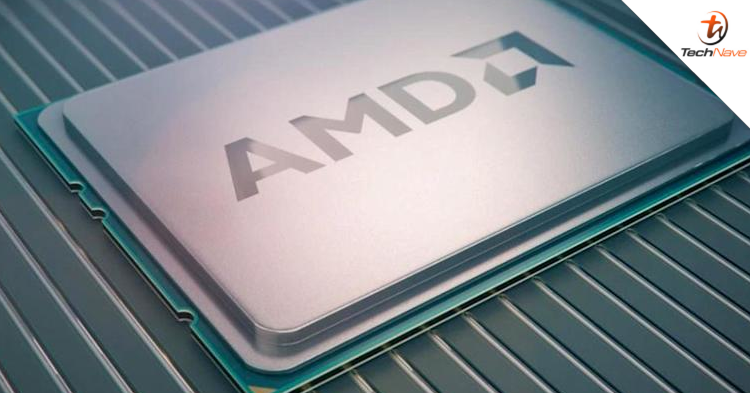
AMD is reportedly working on a new semi-custom APU, codenamed “Magnus,” which could power next-generation gaming consoles such as the Xbox and possibly the PlayStation 6.
What we could expect
According to multiple leaks, the Magnus APU is expected to launch sometime between 2027 and 2028, with hardware class performance estimated in the RM4000 to RM5000 range based on its specs and fabrication node.
For Malaysian gamers, this could hint at a significant performance leap and potentially higher pricing for future consoles, depending on how the hardware is integrated and marketed locally.
The Magnus APU is believed to be built on TSMC’s 3nm process and features an advanced chiplet architecture. It includes a combination of high-performance and efficiency CPU cores, a large integrated GPU, and a wide memory bus—pointing to a major upgrade in visual fidelity, AI processing, and gaming performance.
Key tech specs of the AMD Magnus APU:
- CPU configuration: 11 cores total – 3 high-performance Zen 6 cores and 8 efficiency Zen 6c cores
- Fabrication node: TSMC 3nm process
- GPU die size: 264 mm²
- SoC die size: 144 mm²
- Memory bus: 384-bit (wider than the Xbox Series X’s 320-bit bus)
- Chip design: Split die layout with CPU and GPU on separate dies linked via a bridge
- Possible GPU compute units: Around 80 CUs (unconfirmed)
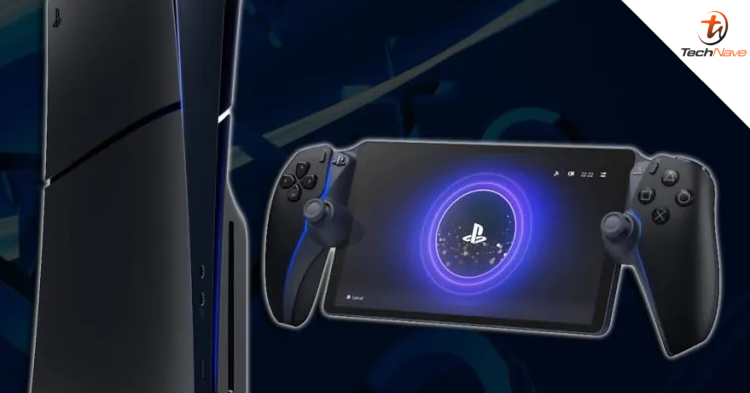
The wide 384-bit memory bus and square chip package have led to speculation about whether the Magnus APU will be used in the next Xbox or PlayStation 6.
Some leaks suggest the non-Shakespearean codename “Magnus” aligns more with Xbox naming traditions, while others point to design traits that resemble Sony’s console hardware.
Regardless of which platform it powers, the next-gen console using Magnus is expected to target high-performance gaming at 4K resolution with support for advanced ray tracing, AI-enhanced graphics, and faster memory bandwidth.
Our thoughts
This leak points to AMD continuing its dominance in custom console chips with a major architectural shift. The mix of high-performance and efficiency cores, combined with a large GPU and wider memory interface, could deliver more immersive gaming and smoother frame rates.
For Malaysia, it also raises questions about future console pricing and availability—especially as manufacturing costs rise with newer chip nodes.
Are you excited for the next generation of consoles in Malaysia? Could this new APU bring true 4K/120 fps gaming to your living room? Stay tuned to TechNave.com for more updates.





COMMENTS