
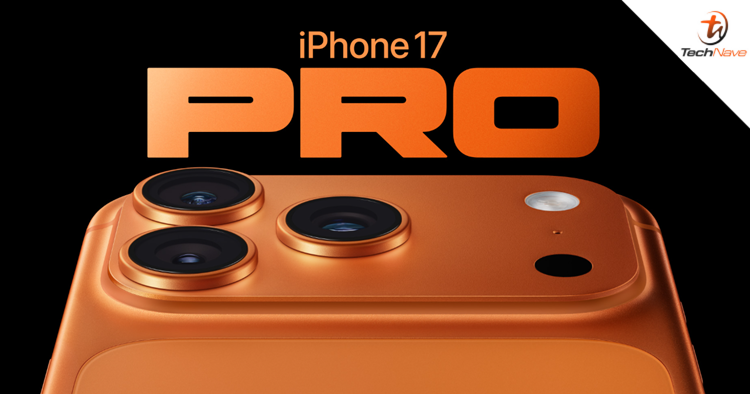
In one of the most unexpected tech crossovers this year, the iPhone 17 Pro Max is heading beyond Earth, with multiple units reportedly flying aboard NASA’s Artemis II mission. Yes, the same flagship smartphone sitting in your pocket is now part of a real space mission.
NASA Almost Said No
Getting a commercial smartphone onto a spacecraft is not as simple as packing it into a bag. NASA enforces extremely strict certification rules for anything that goes onboard crewed missions, especially electronics. According to the report, the approval process was anything but straightforward. The agency had to carefully evaluate whether the device could meet safety, interference, and reliability requirements in space conditions. This nearly resulted in the iPhone being rejected entirely before it ultimately received the green light.
Why Send an iPhone to Space
New iPhones are being packed into the suits of the Artemis II Crew!
— Owen Sparks (@OwenSparks) April 1, 2026
There is something very familiar about the iPhone look that will make the Moon feel accessible, we are literally going to see the lunar surface through the same lens we use to capture our own lives every day. pic.twitter.com/sDDM5NSRMX
While it might sound like a publicity stunt, there is a practical angle. Modern smartphones like the iPhone 17 Pro Max are packed with advanced sensors, cameras, and computing power, making them useful tools even in extreme environments. The device features enough powerful hardware specs, all of which could be useful for documentation or auxiliary tasks during missions.
This also marks a notable shift. Artemis II is expected to be the first mission where astronauts are allowed to bring iPhones onboard, signalling growing confidence in consumer-grade tech in professional space environments.
A Small Step for Phones, A Big Step for Tech
The iPhone 17 Pro Max’s journey to the Moon is more than just a fun headline. It reflects a broader trend where everyday technology is becoming powerful and reliable enough for serious applications. And if this mission goes smoothly, it may not be the last time a smartphone finds itself travelling far beyond Earth. Stay tuned for more trending tech news at TechNave.com.





COMMENTS