
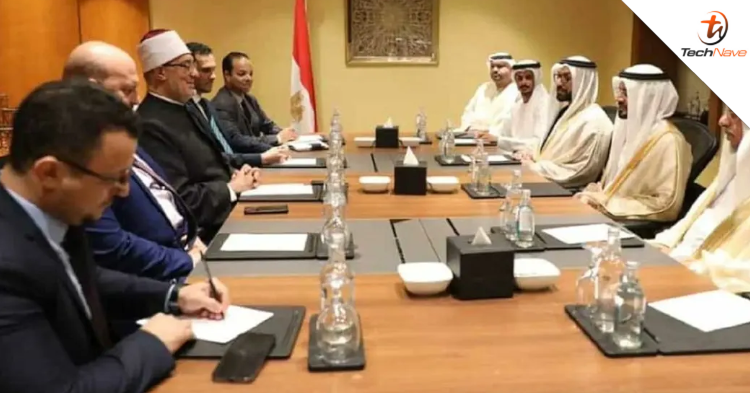
On 13 August 2025, the United Arab Emirates and Egypt began discussions on using artificial intelligence to support the process of issuing religious rulings, or fatwas.
The initiative was introduced during the “Making of a Competent Mufti in the Digital Age” conference in Cairo to deliver more accurate, timely, and secure guidance in a digitally connected world.
What happened
At the conference, Dr. Omar Habtoor Al Darei, Chairman of the UAE’s General Authority of Islamic Affairs, Endowments and Zakat, met with Egypt’s Grand Mufti, Dr. Nazir Mohammed Ayyad, to explore areas of collaboration.
Other attendees included representatives from Mohamed bin Zayed University for Humanities and the Emirates Fatwa Council.
The discussions centred on how digital tools and AI could help religious authorities respond to complex issues while maintaining moderation, relevance, and adherence to Islamic principles.
The goal is to enhance the ability of scholars to address modern challenges faced by diverse communities in the digital era.
Officials highlighted that AI’s role would be to assist in research and analysis, not to replace human scholars. They stressed the importance of maintaining human oversight and implementing secure systems to safeguard against misuse or misinterpretation of religious rulings.
What's next?
From a technology perspective, the adoption of AI in religious contexts reflects a broader global trend of integrating digital solutions into traditional fields.
The challenge lies in ensuring these tools enhance, rather than compromise, the integrity and trustworthiness of religious guidance.
Do you think AI can help improve the accessibility and accuracy of religious services without losing authenticity? Stay tuned to TechNave.com for more updates.






COMMENTS