
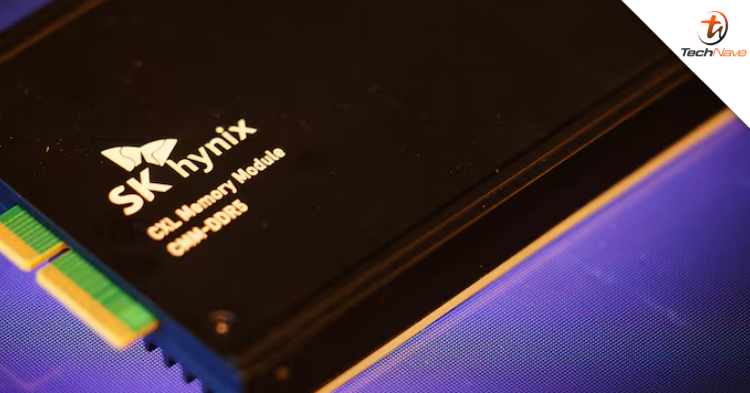
On 20 June 2025, the United States is reportedly planning to revoke waivers that currently allow major chipmakers such as Samsung, SK Hynix, and TSMC to ship U.S.-made semiconductor equipment to their manufacturing plants in China.
If implemented, the move would introduce stricter licensing requirements that could impact operations at these facilities.
What is happening
According to a report by The Wall Street Journal, the U.S. Commerce Department—under the direction of Under Secretary Jeffrey Kessler—is preparing to cancel blanket waivers issued in 2022.
These waivers currently let select companies continue sending advanced chipmaking tools to China without needing individual export licenses.
Under the new rules, companies would have to seek case-by-case approval from the U.S. government before sending certain technologies to China.
While Samsung, SK Hynix, and TSMC may still be allowed to operate in China, this policy shift could slow down their supply chains and increase regulatory hurdles.
The plan reflects Washington's broader strategy to limit China's access to advanced semiconductor technology and bolster domestic chip production. The U.S. has already imposed export restrictions on Nvidia’s high-end AI chips and pressured allies like the Netherlands and Japan to tighten their own rules.
Financial markets reacted quickly. Shares of major U.S. semiconductor equipment makers—KLA Corp, Lam Research, and Applied Materials—fell by as much as 6 percent following the news.
These companies supply much of the high-end machinery used by chipmakers globally.
Major moves for the big names in the industry
This development comes just weeks after senior U.S. and Chinese officials met in London to stabilize tech trade relations. Chinese officials may interpret the waiver rollback as a breach of that informal understanding.
Geopolitically, South Korea and Taiwan could face increased pressure. Both countries have chip firms with major investments in China, while also playing crucial roles in U.S.-based chip manufacturing projects.
Industry analysts say the new restrictions might not cause immediate operational disruptions, but over time, they could limit equipment upgrades and reduce competitiveness at Chinese-based fabs owned by Samsung, SK Hynix, and TSMC.
Do you think these policy changes will push chipmakers to scale back in China or expand elsewhere? Could countries like Malaysia benefit from this shift? Stay tuned to TechNave.com for more updates.




COMMENTS