
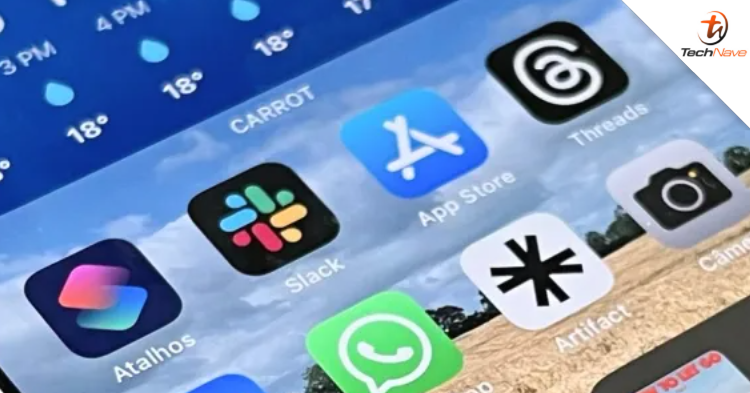
As of 30 June 2025, the United States House of Representatives has officially banned the use of WhatsApp on all government-issued devices. While the move does not involve any cost, it reflects growing concerns about cybersecurity and secure communications among public sector institutions worldwide.
Why the ban was enforced
The decision came from the Office of the Chief Administrative Officer (CAO), which labeled WhatsApp as a "high-risk" application. According to an internal memo obtained by multiple news outlets, the House’s Office of Cybersecurity cited concerns about WhatsApp’s lack of encrypted message storage on devices, insufficient transparency, and data sharing risks.
Although WhatsApp provides end-to-end encryption for messages in transit, officials argue that it does not meet the security standards expected for government communications.
Recommended alternatives for House staff
In place of WhatsApp, staff members in the U.S. House are now encouraged to use messaging platforms that are considered more secure by the CAO. These include:
- Signal
- Microsoft Teams
- Apple iMessage and FaceTime
- Amazon Wickr
These apps are seen as more compliant with government data handling policies, especially those related to end-to-end encryption, data retention, and enterprise-grade access control.
Meta’s response to the ban
In response to the restriction, Meta (the parent company of WhatsApp) defended its app’s security. A spokesperson stated that WhatsApp offers strong privacy protections, noting that messages are encrypted end-to-end by default.
Meta further added that this level of encryption is more robust than several of the apps approved by the U.S. House.
However, Meta’s statement did not change the stance of the Office of Cybersecurity, which maintained the ban due to broader concerns about how data is stored and managed on devices.
Context: This is not the first ban
This move mirrors earlier actions taken by the U.S. government to restrict certain apps on official devices. In 2022, the House also banned TikTok, citing data privacy concerns and its ties to Chinese ownership.
Similarly, WhatsApp has previously been targeted by spyware like Paragon—raising fears over the app’s vulnerability to surveillance tools that have been used against journalists and civil society groups worldwide.
What this could mean for Malaysia
While the ban applies specifically to U.S. lawmakers, it brings up larger questions that could be relevant in Malaysia and other regions. As government bodies around the world explore digital sovereignty and secure communications, similar assessments could influence future policy on messaging app usage in the public sector.
In Malaysia, where platforms like WhatsApp are widely used even in government communications, such a move might prompt closer scrutiny of digital tools based on compliance, encryption standards, and national cybersecurity policies.
Would a similar ban on WhatsApp affect how government agencies and businesses communicate in Malaysia? As the discussion around data privacy and secure messaging grows louder, it may be time to reconsider which platforms offer real protection. Stay tuned to TechNave.com for more updates.




COMMENTS