

As Proton is expected to come out with 5 of their own Proton e.Mas EVs, quite a few Malaysians have been hoping that at least 1 of them will be a mini EV like the Geely Panda Mini. While we'd be just as enthused to get such a compact and affordable yet eco-friendly vehicle, several factors could halt its success here. Here are some factors that explain why mini EVs like the Geely Panda Mini wouldn't be successful in Malaysia.
Charging Infrastructure and Range
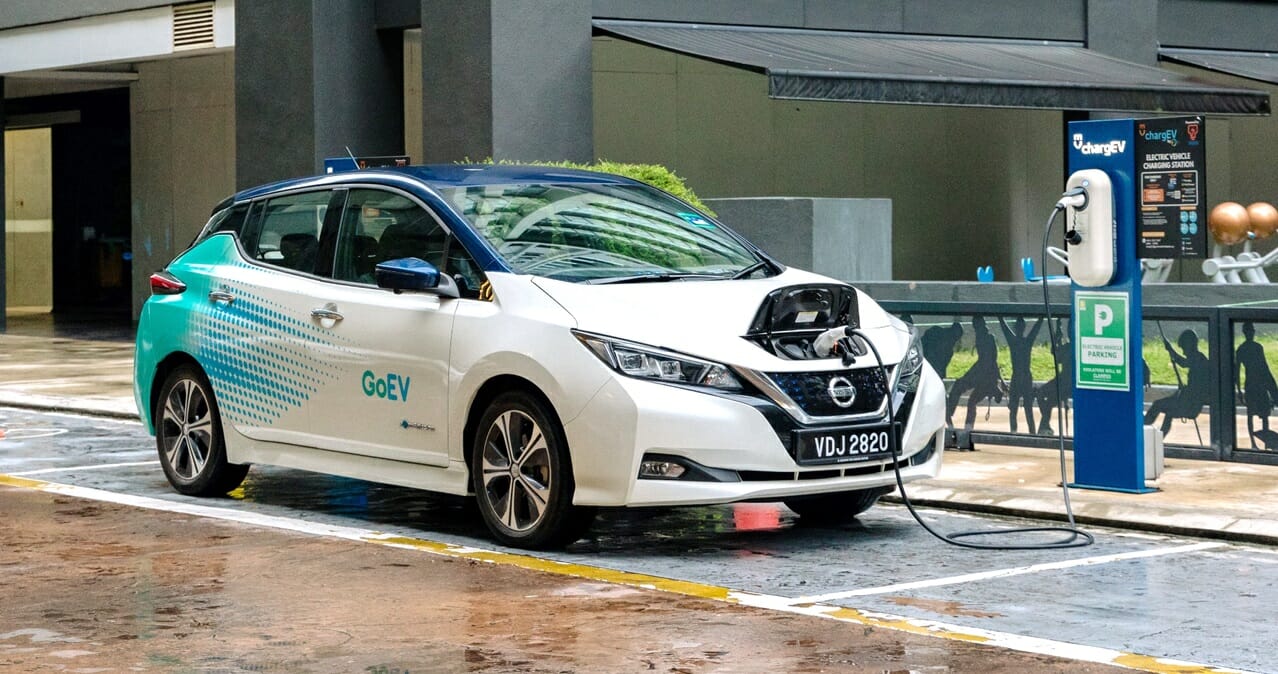
One of the biggest challenges for a mini EV is the limited availability of Malaysia’s EV charging network. Due to the limited number of charging stations, range anxiety could become a main concern for potential buyers. Since most mini EVs only support a modest 200km range it might require more frequent charging than an EV with longer range.
However, this smaller battery size also means that you could potentially get a near full charge if you charge overnight with the standard plugin charger. This means you wouldn't have to line up or install a dedicated fast charger at home, so you could charge at home for more convenience.
How to balik kampung like that?
Given that many Malaysians tend to travel long distance to balik kampung or go back to their home village every long weekend, a mini EV with 200km range might not cut it on a single charge. Granted, there are now chargers at some RnR stops accross the country but the number of chargers remains rather limited.
However, you could just take a pit stop and rest for half an hour to charge your mini EV before resuming your journey (which might actually reduce accidents due to drowsiness). Small cars aren't exactly the most comfortable to drive for long distances but it should still be doable if you're really determined.
Needs more tangible Government support
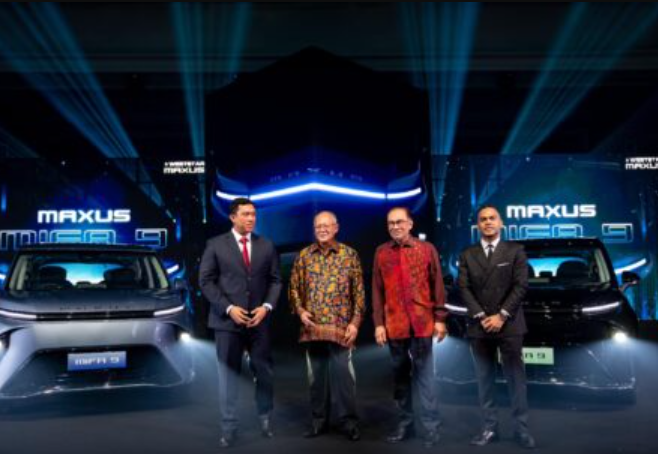
Malaysia provides a certain amount of support for EVs with the National Automotive Policy (NAP) 2020, Green Technology Financing Scheme (GTFS), grants and subsidies. The GTFS for example offers financing for green technology projects, including EV infrastructure. Plus, there are grants and subsidies available for businesses involved in the EV supply chain, such as manufacturing components or setting up charging infrastructure.
However, all of these supports pales in comparison to all the benefits that China provided for their EV buyers such as reduced or waived parking fees, road restrictions for non-EVs, toll exemptions, up to 30000 CNY (~RM19400) sales tax discount and more. The reason we're bringing up China here is because mini EVs were very successful in China, amounting to nearly half of the EV sales in the country.
As such, for mini EVs to be more attractive to Malaysians, simply providing tax breaks might not be enough given that most people who would buy a vehicle at around RM25K wouldn't pay much for taxes anyway. We think it have to be more tangible, like perhaps discounts on tyres, free toll for mini EVs and so forth. Maybe trade-ins for kapcai or motorbikes to get a mini EV, or discounts on charging or something along those lines but the recent suggestion of providing free parking for EVs does seem like a step in the right direction.
Conclusion - still a long road ahead
Overall, we think that if we got an affordable mini EV right now in Malaysia, it wouldn't be very successful due to the factors above. Thankfully, they're not too difficult to solve, especially if Malaysia's government goes all in for affordable EVs in the country. Given that Perodua and other car makers have yet to enter the EV market just yet we think that there's still some hope for mini EVs and EVs in general to be successful in Malaysia.
What do you think? Are we being too hopeful? Do you have a different take on mini EVs and what they need to succeed in Malaysia? Share your views in the comments below and stay tuned for more articles like this at TechNave!



COMMENTS