
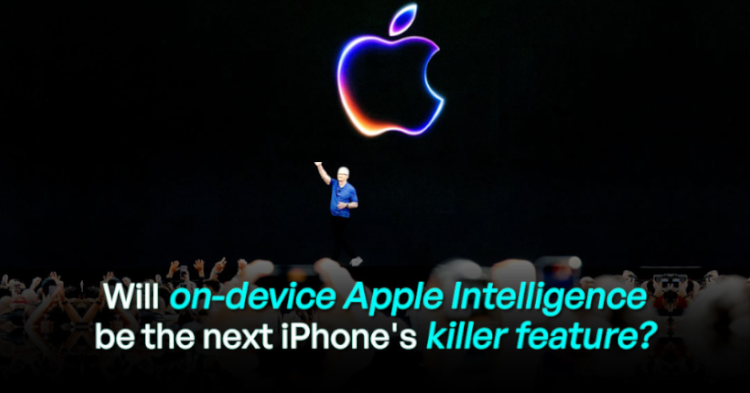
Every new iPhone needs a "wow" factor. For 2025, Apple is betting big on Apple Intelligence, its own AI system built right into iOS. Unlike other AI tools that mostly run on the cloud, Apple is focusing on on-device processing for speed, privacy, and seamless integration.
The big question is: will this be the killer feature that makes people want to upgrade to the iPhone 17? Let's take a closer look.
What is Apple Intelligence?
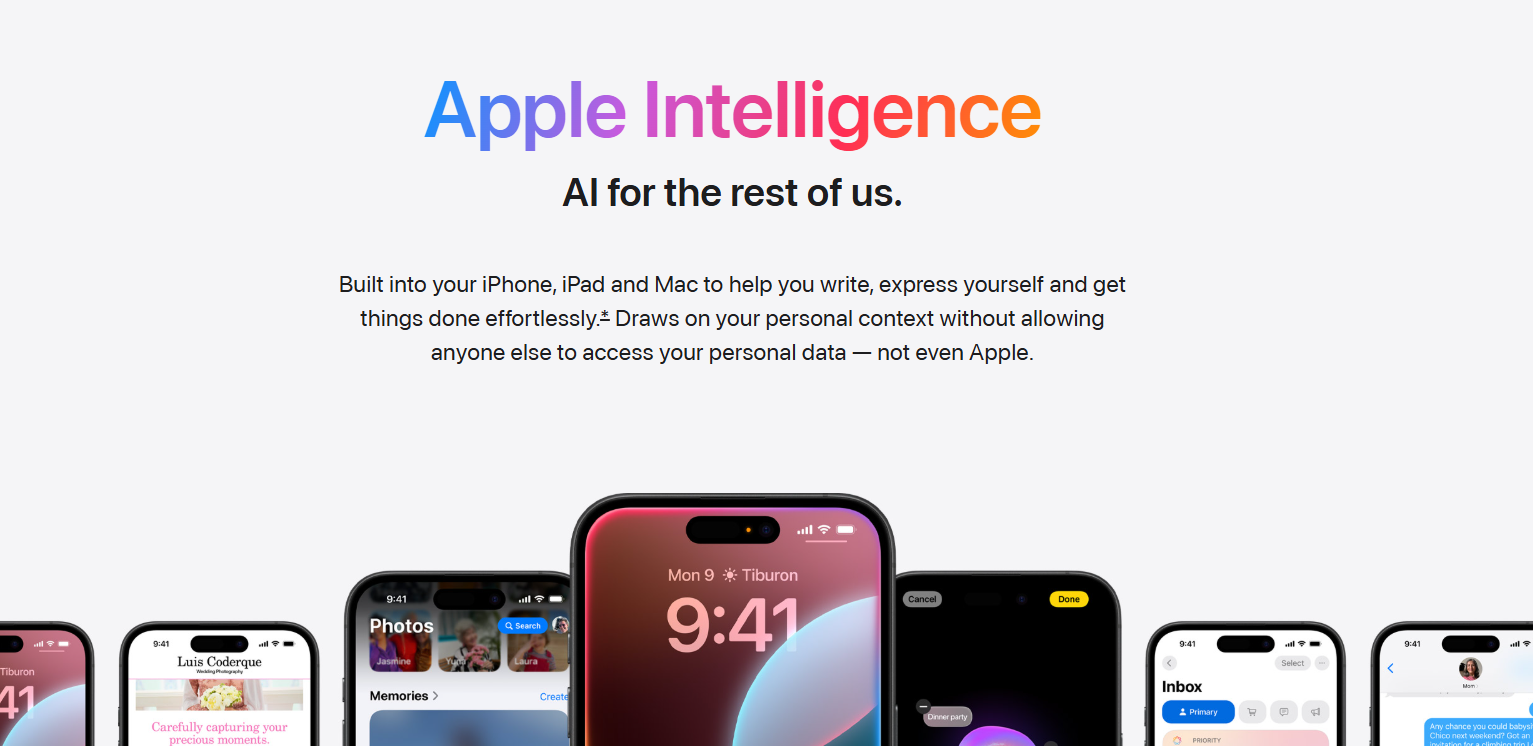
Hopefully, the upcoming Apple Intelligence patch offers more practicality
For your information, Apple Intelligence is Apple's way of blending generative AI into everyday iPhone use. Instead of making you open a separate app, it's built directly into the system. Apple says the idea is to make AI more practical — not just a gimmick.
Here's what it brings to the table:
- Writing Tools: Rewrite messages, summarise emails, and even change your tone from casual to formal.
- Smarter Mail & Notifications: AI can filter what's important, highlight urgent alerts, and give quick reply suggestions.
- Visual Features: Real-time translation in calls, live transcription, and generative tools like Genmoji or Image Playground.
- Siri 2.0 (sort of): Siri is finally getting an upgrade, with context-awareness so it can act based on what's on your screen.
- For Developers: The Foundation Models API means third-party apps can use Apple's AI too, even offline.
Compared to the recent features in the Pixel 10 series, Apple focuses more on everyday AI tools like summarising long messages, rewriting text with tone, smarter notifications (prioritising important info), context-aware Siri, and real-time translations.
On the other hand, Google often experiments with AI-driven UI shortcuts, gestures, and smart responses. The Pixel 10 series also have more emphasis on the camera performance and intelligent UX features. For instance: Magic Cue, Super Res Zoom and more.
Why people are paying attention
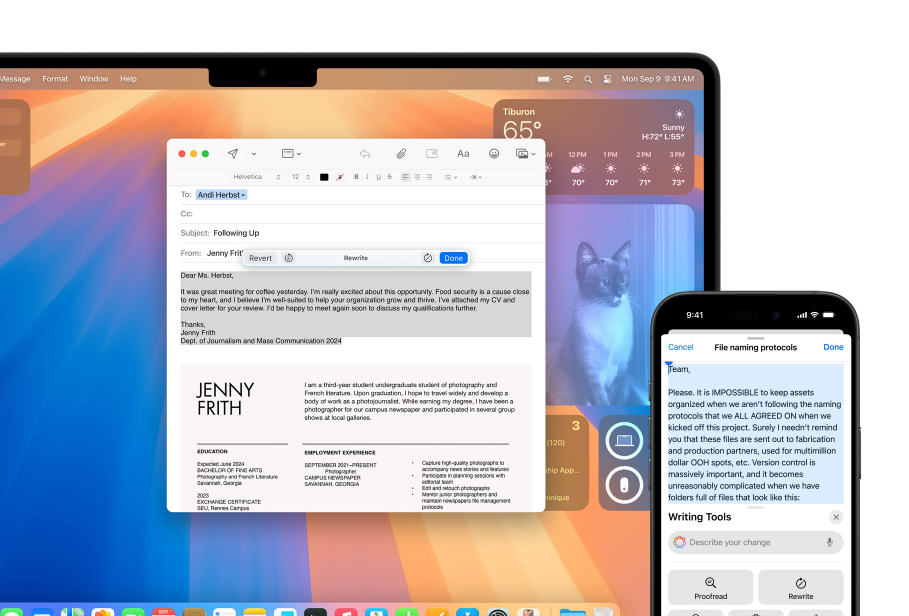
Surprisingly, Apple edges out other competitors for daily AI uses
Apple isn't just copying Google or Samsung here. The company has a few strong cards to play:
- Privacy first – On-device processing means sensitive data (messages, emails, photos) stays on your iPhone. Even when the cloud is used, Apple promises not to store requests.
- Feels natural – Since it's part of iOS, features like translations in FaceTime or smart replies in Messages don't feel like add-ons. They just work where you need them.
- Actually useful – Many AI features today feel experimental. Apple is focusing on day-to-day tasks, like clearing your inbox faster or helping you respond to long chats.
- Made for iPhone hardware – The upcoming A19 chip and 12GB RAM in the iPhone 17 Pro models will give Apple Intelligence the power it needs to run smoothly.
The catch
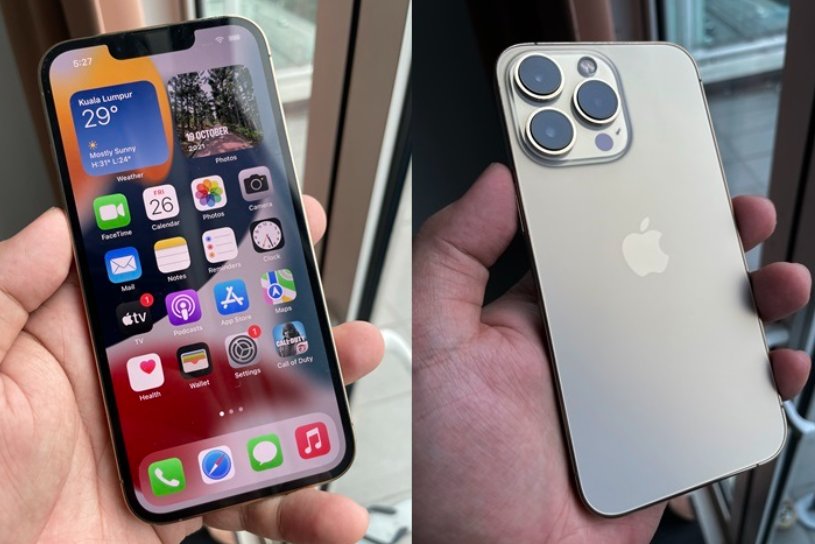
Your older iPhone might not get Apple Intelligence
But it's not all perfect. Apple Intelligence comes with a few limitations:
- Only on newer iPhones – You'll need at least 8GB RAM and a Neural Engine capable of handling AI tasks. Right now, that means iPhone 15 Pro, iPhone 15 Pro Max, iPhone 16 series, and future models. Older iPhones won't get full access.
- Slow rollout – Some features are launching gradually. For example, English is supported first, while other languages will arrive later. That could make the experience feel incomplete at launch.
- Strong competition – Google and Samsung already offer AI across more devices. Apple's privacy angle is unique, but its slower rollout may give rivals an edge.
What's next for iPhone?
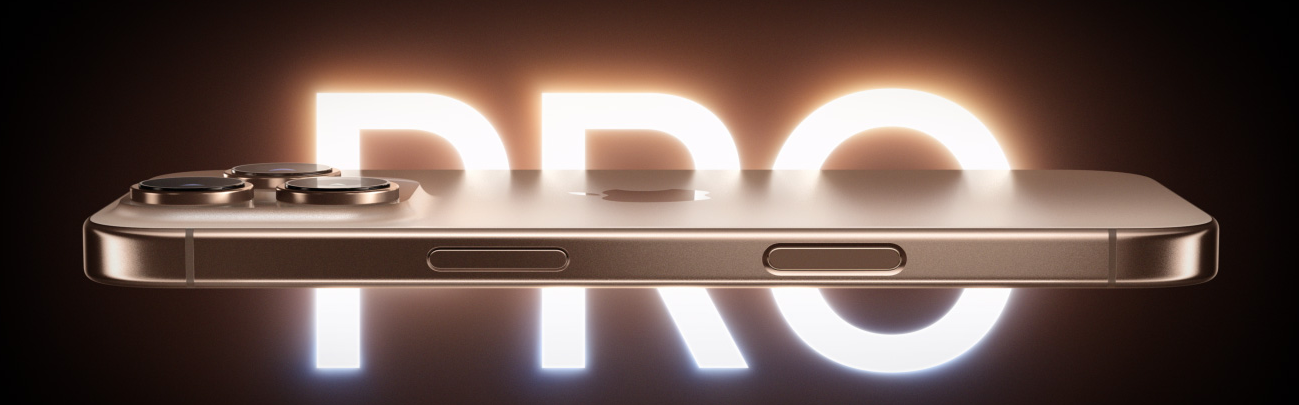
Interesting to see what Apple plans for the iPhone 17 Pro
The iPhone 17 series, expected in September 2025, is likely to be the first “true” Apple Intelligence iPhone. The A19 chip and more RAM should make AI features feel faster and more polished.
Looking ahead, the iPhone 18 in 2026 is rumoured to use the A20 chip with advanced packaging tech, giving Apple an even bigger AI performance boost. By then, we could see a completely reworked Siri that feels more like a real digital assistant than the current version.
It's also worth noting that Apple Intelligence won't just stay on the iPhone. Macs and iPads are part of the plan, which means Apple is aiming for a fully AI-powered ecosystem in the next few years.
Our thoughts

Will the new Apple iPhone 17 series excite?
So, is Apple Intelligence going to be the killer feature of the iPhone 17? It definitely has the potential. Privacy, practical features, and tight integration into iOS make it stand out from the pack.
But right now, it's limited to newer models and rolling out slowly. That might stop it from being the must-have feature for everyone.
Still, if Apple manages to expand support and refine the experience, this could be the feature that defines the next generation of iPhones.

Did this article catch your attention? Stay tuned for more articles like this at TechNave.



COMMENTS