
You might know the new Xiaomi 14 Series arrives with the latest Xiaomi Hyper OS. However, did you know that the new OS could be more than your phone’s default OS? This is what you should know about it.
For your information, the OS was designed for the "Human X Car X Home" smart ecosystem. According to Xiaomi, this OS focuses on 4 primary objectives. These objectives include Comprehensive Refactoring, Cross-Device Intelligent Connectivity, Proactive Intelligence, and End-to-End Security.
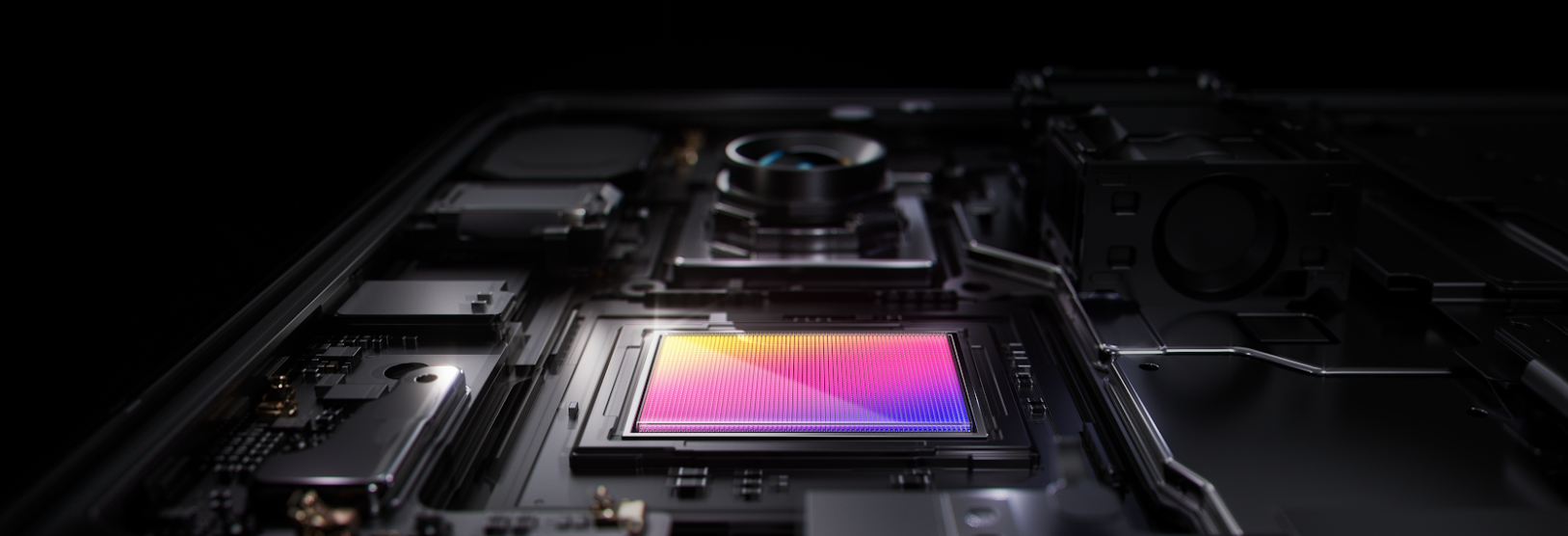
The Xiaomi 14 Ultra, now with the latest HyperOS
In addition, the improved UI and advanced memory management capabilities offer you a better user experience. You can also back up your photos safely thanks to the new integration with Google Photos. Plus, you can edit, view and share content backed up in Google Photos from your Xiaomi Gallery. This feature will roll out to all Xiaomi devices this Spring 2024.
Moreover, you can transcribe real-time spoken content during video conferences. Meanwhile, the AI Album Search enables you to look for specific images within your photo collections by describing what you are looking for. The AI Portrait helps you create novel portrait compositions derived from pre-existing images. Interestingly, you can use the AI-Expansion feature to produce realistic extensions of existing image content.
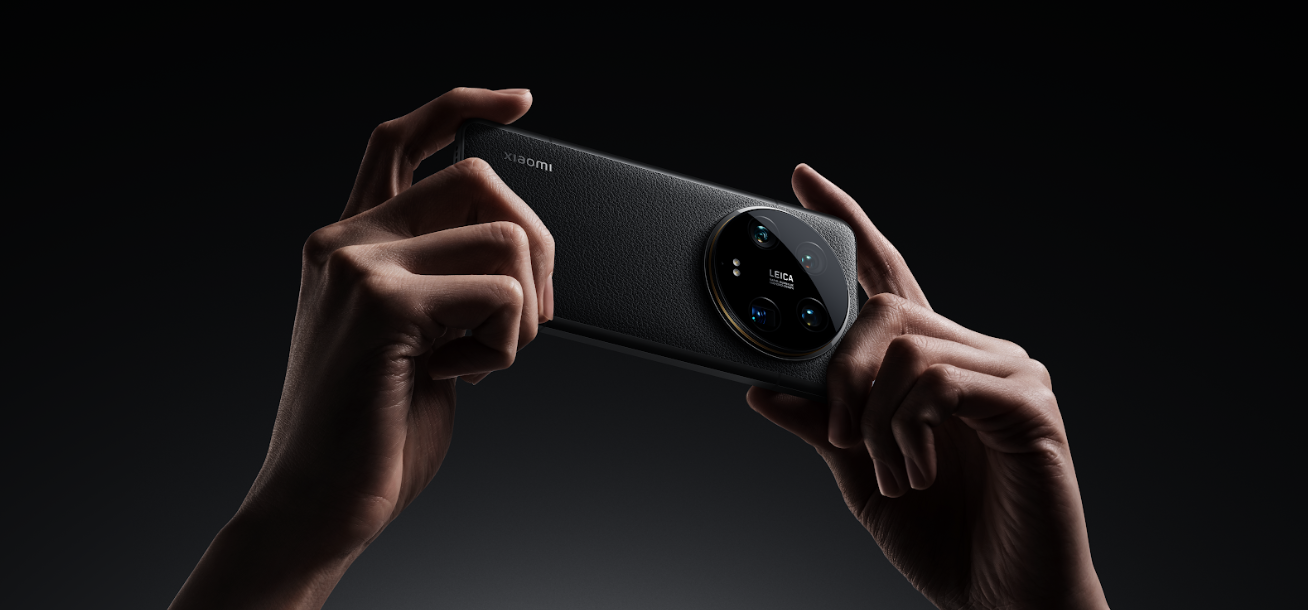
Armed with the latest AI upgrade, for a better photography experience
When it comes to Smart Homes, the Xiaomi HyperOS caters to your needs via the Xiaomi HyperMind feature. In short, the Smart Home devices will be able to learn and adapt to your preferences. This is achieved via four perceptual capabilities of devices - environment, vision, sound, and behaviour. For example, if you usually switch on the light after unlocking the smart lock door, the Xiaomi HyperMind will automatically illuminate the room after learning this pattern and gaining your consent.
Previously, Xiaomi has transitioned from "Smartphone x AIoT" to "Human x Car x Home" smart ecosystem. The new approach saw the Chinese company placing more emphasis on the automobile aspect. All in all, it will be interesting to see how Xiaomi users in Malaysia will react and adapt to this technology.
What are your thoughts about this news? Stay tuned for more news and updates like this at TechNave!


COMMENTS