
News & Reviews: NASA
-
May 16, 2025

In just a century, humans have changed the climate to the point of affecting the way the Earth rotates. This comes after scientists recently discovered that melting ice, loss of groundwater, and rising sea levels are changing the Earth's rotational axis, thus also causing days to become longer. The findings are the result of an analysis of data collected over 120 years, which shows that the Earth's axis has shifted by around 10 metres since 1900.
[ Read More ] -
Apr 15, 2025
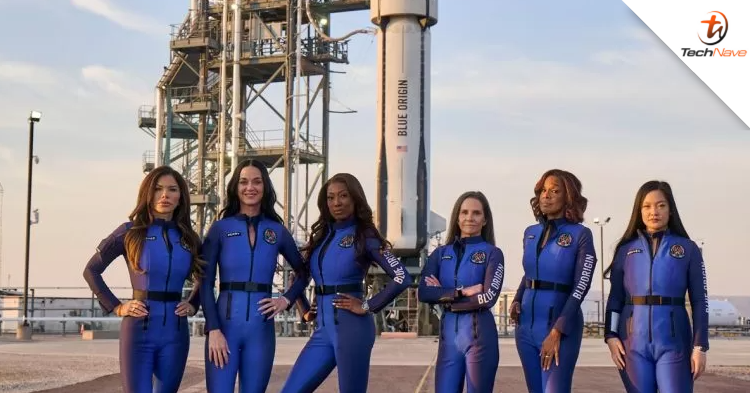
On June 16, 1963, Valentina Tereshkova became the world's first female astronaut, completing 48 orbits before returning to orbit. Tereshkova's success proved that space was not exclusively a male domain but also a female domain. After almost 62 years, last night, Blue Origin made history by successfully sending six female astronauts into space. So, what should you know about it?
[ Read More ] -
Mar 12, 2025
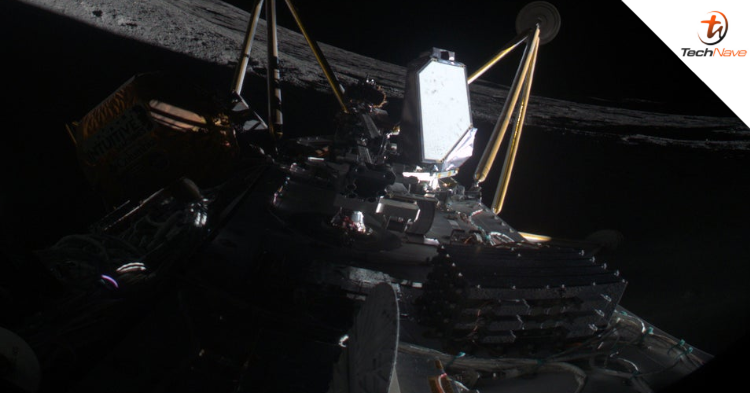
Five years ago, NASA and Nokia signed an agreement to develop a cellular network on the lunar surface in preparation for building a permanent lunar marker in the future. This week, Nokia was supposed to test the first phone call on the lunar surface, but the mission failed. So, what should you know about it?
[ Read More ] -
Oct 14, 2024
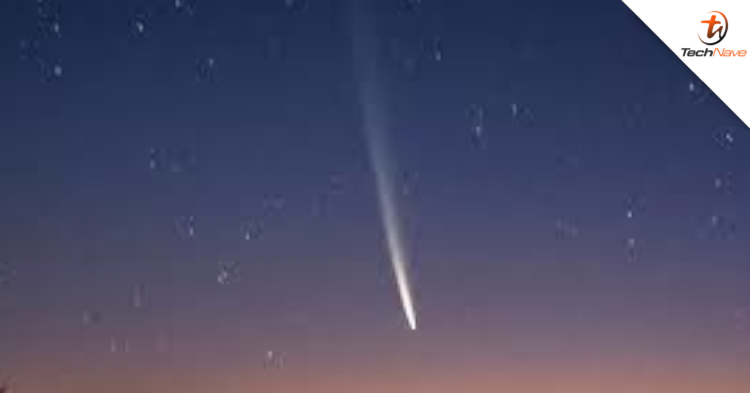
A comet with astronomers calling it the "comet of the century" that was last seen tens of thousands of years ago is expected to be visible tonight. Comet A3 (Tsuchinshan-ATLAS), last seen from Earth 80,000 years ago, can be detected with the naked eye from Earth this weekend, scientists say.
[ Read More ] -
Aug 21, 2024
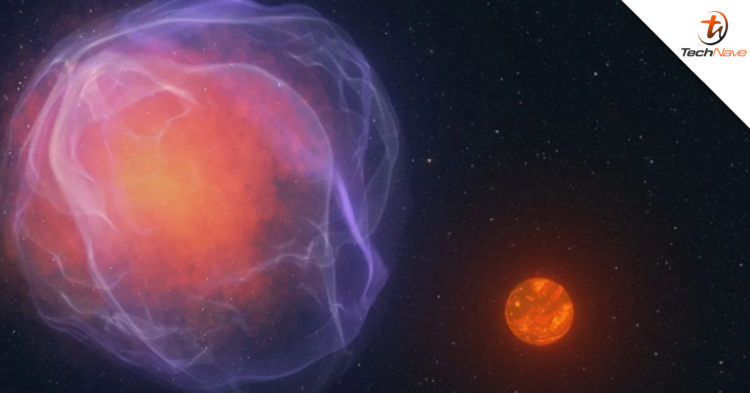
Most familiar stars peacefully orbit the centre of the Milky Way. But citizen scientists working on NASA’s Backyard Worlds: Planet 9 project have helped discover an object moving so fast that it will escape the Milky Way’s gravity and shoot into intergalactic space. This hypervelocity object is the first such object found with a mass similar to or less than that of a small star.
[ Read More ] -
Jun 04, 2024
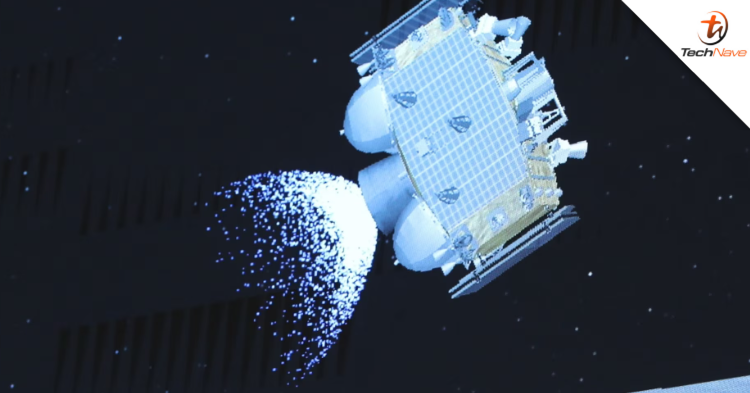
China will be the first country to successfully return samples from the surface of the far side of the moon back to Earth. The Chang'e 6 probe landed on the surface last Saturday and began extracting samples from the lunar surface. That said, what should you know about it?
[ Read More ] -
Apr 17, 2024
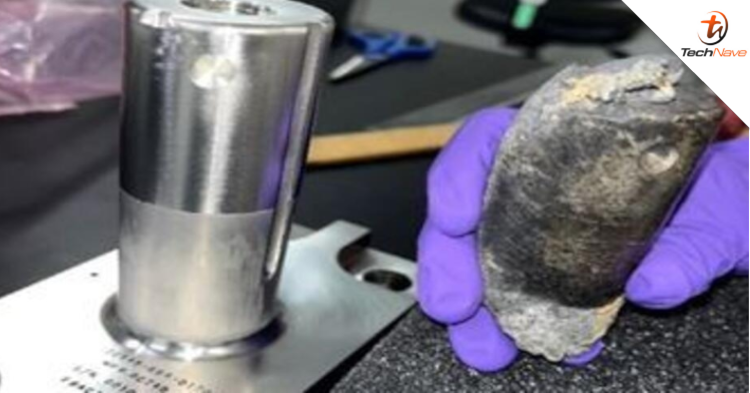
If your house was hit by an unknown object out of nowhere, you might get panicked. What if your house was hit by some junk from NASA? Apparently, a man in Florida had to go through this bizarre experience.
[ Read More ]