
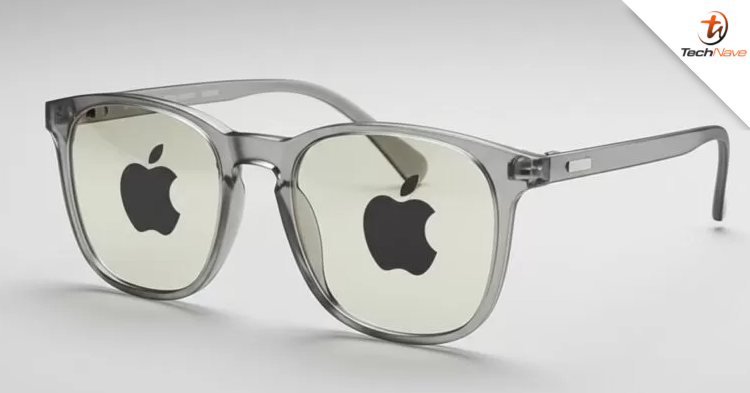
Apple is reportedly preparing to expand its lineup of head-worn devices, with at least seven products in development.
According to analyst Ming-Chi Kuo, this includes a refreshed Vision Pro model launching in the third quarter of 2025, as well as smart glasses and other XR (extended reality) products scheduled through 2028.
While no official pricing has been confirmed, expectations are that future models may come at a lower cost than the original Vision Pro, which launched at USD3499 (around RM16,500).
Apple’s head-mounted product roadmap revealed
Kuo's latest investor note outlines two distinct product families under development: three in the Vision Pro line and four in the smart glasses category.
Five of these projects are already in active development, with estimated timelines between 2025 and 2028. The other two have no confirmed schedules yet.
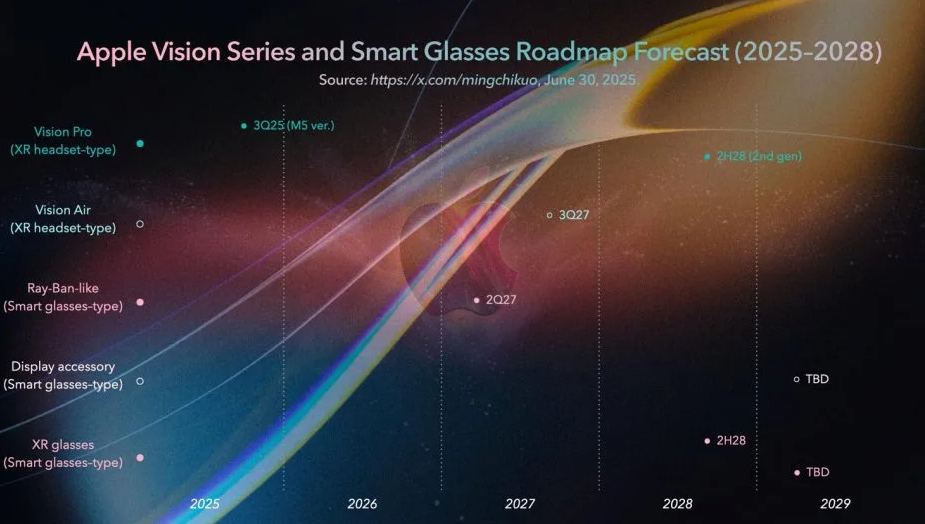
The Vision series is expected to cater to high-performance mixed reality experiences, while the smart glasses lineup will likely focus on more lightweight, everyday wearable features.
The report suggests Apple is committed to evolving its head-worn computing strategy, even as the first-generation Vision Pro sees limited shipments.
Upcoming Vision Series Devices
Based on Kuo's report, here are the known headsets in Apple's Vision lineup:
Refreshed Vision Pro (M5 chip)
Expected to enter mass production in Q3 2025. This updated model will retain the same design and features as the current Vision Pro but will include an upgraded processor. Apple is projected to ship between 150,000 and 200,000 units by the end of 2025.
Vision Air
A more lightweight and affordable variant is scheduled for Q3 2027. It will reportedly weigh about 40% less than the original Vision Pro and use a flagship iPhone processor.
Additionally, materials like magnesium alloy and plastic are expected to replace the current aluminum build to reduce weight and cost.
Second-Generation Vision Pro
Targeted for release in the second half of 2028, this model will feature a redesigned form factor, improved processing power with a Mac-class chip, and a lower price point.
Smart Glasses development in progress
Apple’s smart glasses portfolio includes four upcoming models, including:
First-Generation Smart Glasses
Estimated to begin mass production in Q2 2027. These glasses will support photo and video capture, voice and gesture controls, AI-powered sensing, and audio output. Apple is expected to ship between 3 million and 5 million units.
Two XR glasses with built-in displays
These will use waveguide and liquid crystal on silicon (LCOS) display technology. Features are expected to include voice interaction and gesture control. These models are targeted for 2028, but detailed timelines are still unconfirmed.
Birdbath Display Accessory (On Hold)
Initially planned for Q2 2026, this device was designed to work with iPhones and Macs using tethered optics. However, the project is currently paused due to unresolved weight distribution issues.
What this means for Apple’s strategy
Apple’s vision for the head-worn market appears to mirror its past approach with iPhones and iPads—entering once core technologies are mature enough to differentiate through user experience and ecosystem integration.
Kuo forecasts that the total shipment volume for Apple’s smart glasses category alone could exceed 10 million units by 2027. Although Apple is not the first mover in this space, its commitment to long-term development suggests it is betting big on wearable computing as a future growth area.
For users in Malaysia, this could eventually translate into more accessible pricing and a broader range of AR/VR devices to choose from—assuming regional launches align with global timelines.
Are you ready to embrace a future filled with Apple headsets and smart glasses? Which of these upcoming models would you be most excited to try if they launch in Malaysia? Stay tuned to TechNave.com for more updates.



COMMENTS