
If you didn't know already, electronics are powered by electricity provided by a power outlet or batteries. The former is common for home appliances or desktop PC equipment. However, portable devices like smartphones and tablets are all powered by batteries. Heck, even vehicles can be battery-powered these days.
Lithium-ion is the predominant battery tech in 2026, and likely the one you're familiar with. But did you know that there are new and upcoming battery technologies aiming to replace the sometimes explosive lithium-ion? Let's quickly go over the relevant battery tech in 2026.
Lithium-ion (Li-ion) Battery
The type of battery you're most likely to see in modern electronics. As the name implies, this type of battery uses Li-ion to move between the negative electrode (anode) and the positive electrode (cathode) through a gel/medium called electrolyte. In turn, electrons travel in the opposite direction to generate electricity. By the way, this is how batteries generally work.
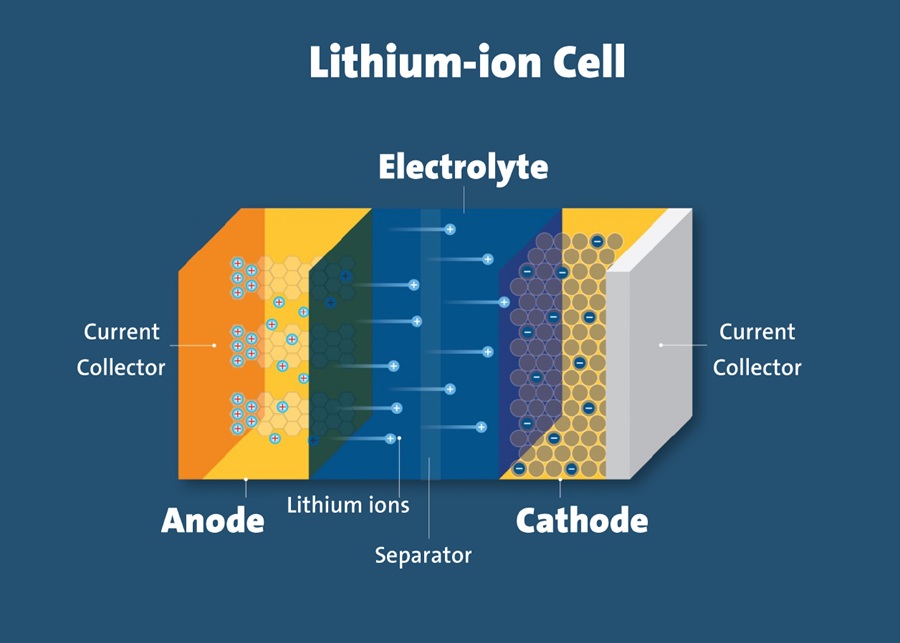
Typical Li-ion battery structure (Image source)
Reasons for use: High energy density, faster recharge times, minimal self-energy discharge, and more.
Used in: Portable devices like smartphones, tablets, and laptops. Many electric vehicles also use Li-ion batteries.
Current issues: The electrolyte is flammable, meaning it could catch on fire or even explode due to excessive heat or physical damage.
It's also why devices with large Li-ion batteries are restricted on flights (check our article here for details about that). This fire risk is why manufacturers want alternatives to Li-ion, so let's take a look at something that hit the news this CES 2026.
Silicon-carbon Battery
Technically, silicon-carbon batteries still use Li-ion to help generate electricity. But while the standard Li-ion battery uses graphite cathodes, silicon-carbon batteries use feature cathodes with a silicon-carbon composite material.
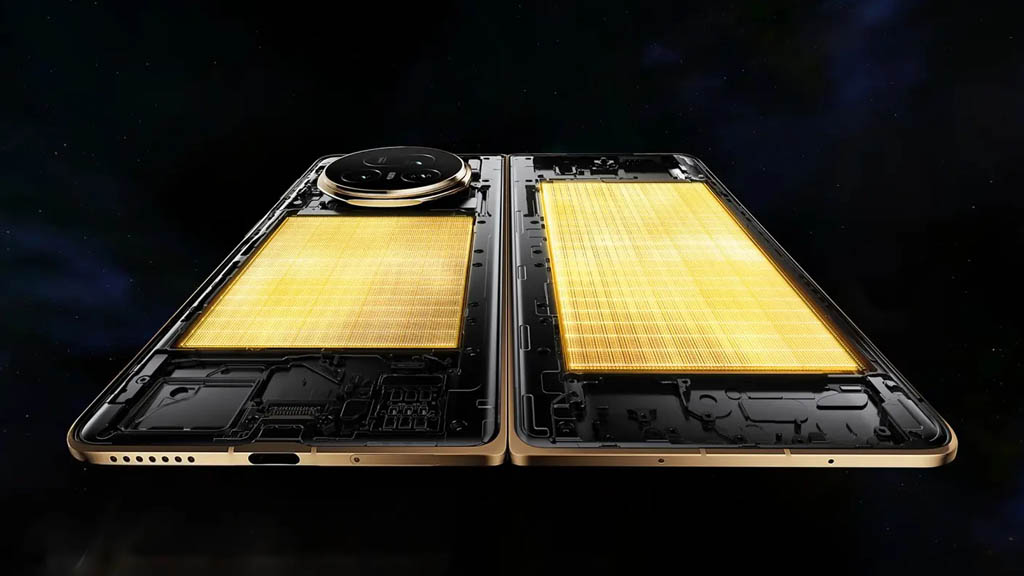
Foldable phones can be super-slim yet have decent battery thanks to silicon-carbon battery tech
Reasons for use: More stable battery structure and higher energy density, which allows for slimmer or more compact battery dimensions.
Used in: Mostly seen in smartphones, but could see wider implementation in tablets, wearables, EVs and more in 2026.
Current issues: Silicon swelling could happen, even with the carbon component included as a stabilising element. Silicon-carbon batteries are also more expensive to produce, and the electrolyte is still a potential fire hazard.
The arrival of silicon-carbon batteries has seen the rise of smartphones that are slimmer or offer much larger battery capacities. These phones appeal to consumers who prefer sleek and slim devices, as well as those who want phones with longer batteries.
Cobalt-free Lithium-ion Battery
Next, let's take a look at another type of battery, now seeing minor use - cobalt-free lithium-ion batteries. As the term suggests, this is a variant of the more common Li-ion batteries. For your info, Li-ion batteries contain cobalt, which can be expensive and dangerous to extract. Cobalt-free batteries use other materials or minerals to replace cobalt, thus making them the eco-friendly variant.
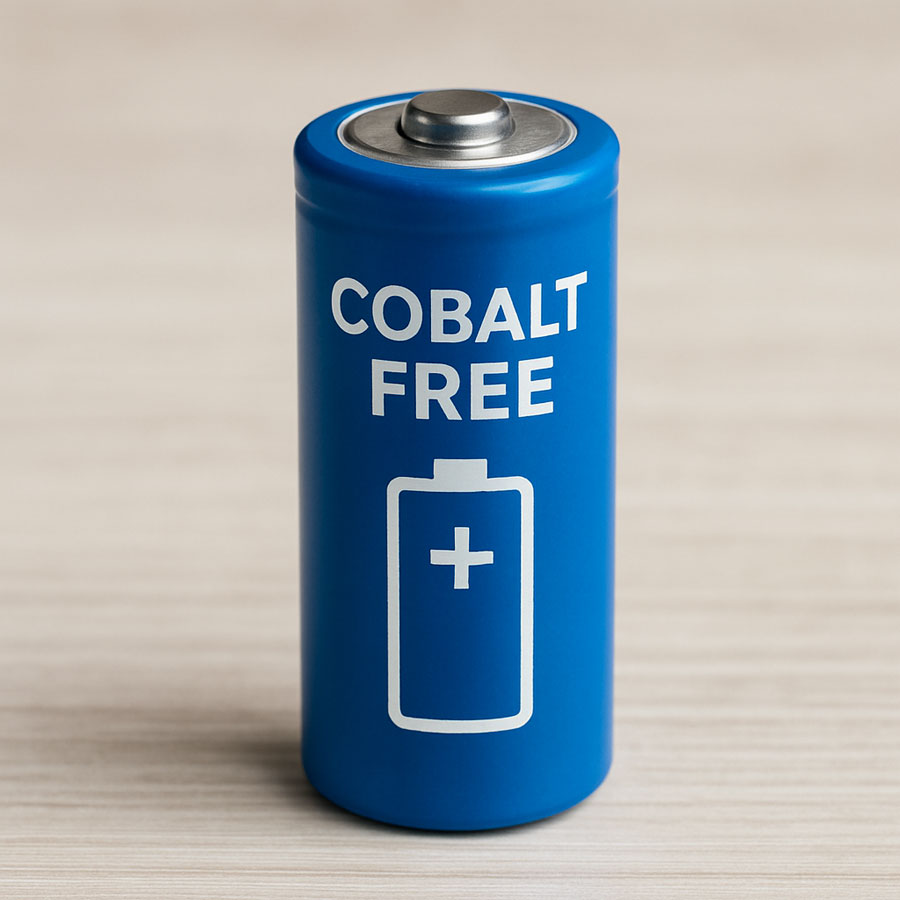
Cobalt-free batteries are cheaper to produce and more eco-friendly (Image source)
Reasons for use: Lower manufacturing costs, reduced reliance on a scarce mineral, and minimising damage to the environment (from cobalt mining).
Used in: Electric vehicles, renewable energy storage (like solar backups), and industrial power tools.
Possible issues: Lower energy density, reduced performance in cold environments, and slower charging rate.
Based on current insights, the research on cobalt-free Li-ion batteries isn't about finding the next battery standard. Or at least, it doesn't feel like it could be the next standard. Instead, it's more a stopgap measure to find a way to produce more affordable and eco-friendly batteries.
Lithium Iron Phosphate (LFP) Battery
Before we wrap up, let's check out another type of Li-ion battery. This type of battery uses lithium iron phosphate (LiFePO) for the cathode, while the anode uses graphitic carbon. LFP batteries have become increasingly popular in recent years, as manufacturers look for materials that can replace the cobalt-based Li-ion batteries. By the way, an LFP battery can be categorised as a cobalt-free Li-ion battery.
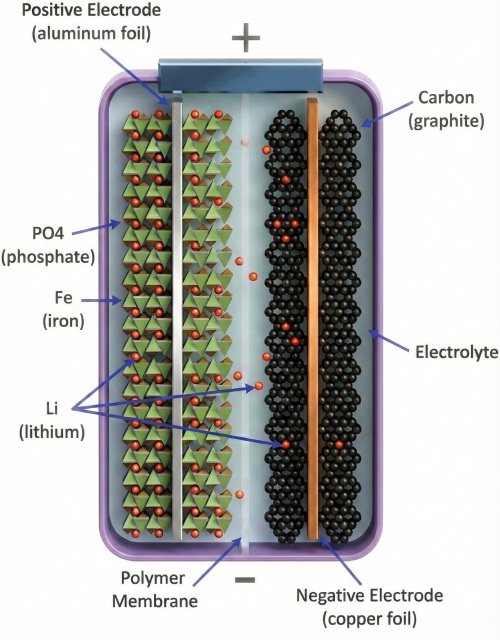
This type of battery uses a material that's less prone to catching fire (Image source)
Reasons for use: Less vulnerable to thermal runaway or overheating, longer lifespan, and lower production costs.
Used in: EVs, renewable energy storage, industrial machinery, and medical devices.
Possible issues: Lower energy density and lower peak power.
LFP batteries are excellent for products that require a safer option. There are many EVs with this type of battery, such as the 2020 Tesla Model 3, Ford Mustang Mach-E, BYD Atto 3, etc. This could be the new dominant battery option if researchers can improve on the energy density, peak power, and charging speed.
Solid-state Battery
Moving on, let's discuss something from CES 2026 headlines: Solid-state batteries. Since Li-ion type batteries have inherent risks, manufacturers have been looking for safer alternatives for larger batteries (like for EVs). The solid-state battery tech fits that bill, as it uses a solid medium for the electrolyte.
The first e-bike powered by a solid-state battery is already out, but can Donut Lab's battery perform as marketed?
Reasons for use: Safer, higher (than Li-ion) energy density, longer lifespan/charge cycles, and much faster charging.
Used in: Has yet to see mainstream implementation, but the recently unveiled Verge TS Pro became the first EV (or e-bike) to feature this type of battery.
Current issues: High cost and more complex to manufacture, leading to poor scalability and difficulty in mass production. It also has reduced performance under cold conditions.
The first solid-state battery by Donut Lab appeared at CES 2026 and promises a lot: 400Wh per kg energy density, full recharge in just 5 minutes, up to 100000 charge cycles, and more. These metrics have left tech fans sceptical, so only time will tell if solid-state batteries are finally viable.
Graphene-based Solid-state Battery
As you can tell, the solid-state battery sounds like the ideal future standard, but consumers remain sceptical. The technology still has room for improvement in terms of conductivity, structural strength, and more. Some companies have been researching the use of graphene in solid-state batteries.
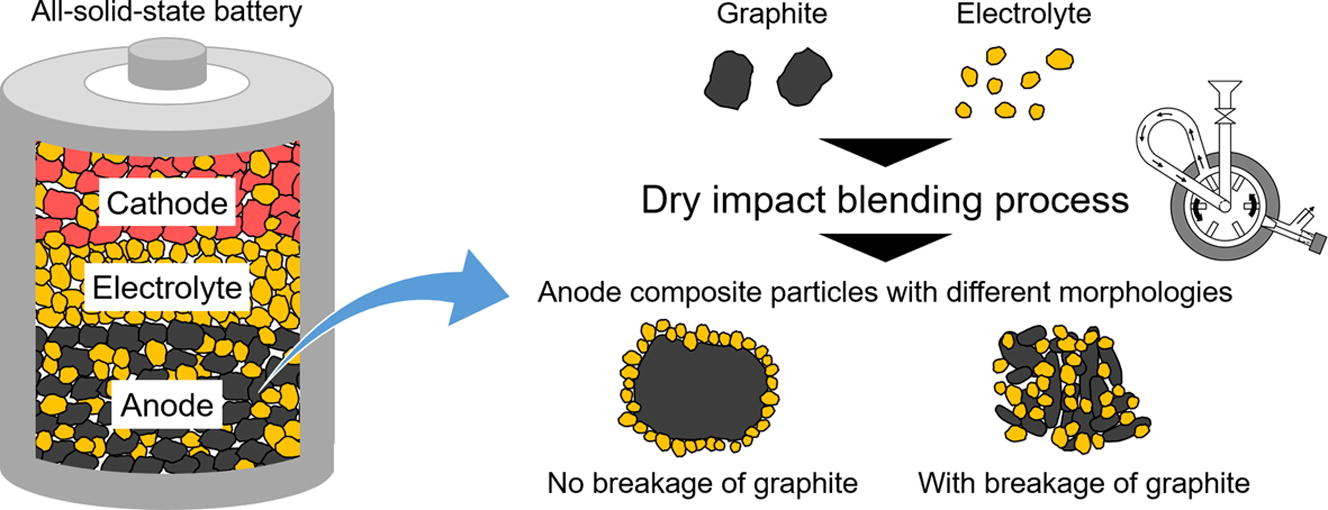
Graphite added to solid-state batteries to enhance different aspects (Image source)
Reasons for use: Improves electrode conductivity, enhances energy density, offers superior sustainability (than carbon), and has increased heat dissipation.
Used in: Electric vehicles, renewable energy storage (like solar backups), and possibly mobile devices.
Possible issues: Expensive to produce.
It's unknown what materials are used in Donut Lab's solid-state battery, but there's no confirmed release of a graphene-based version. As it stands, researchers and engineers still need to find out how to build a commercially viable graphene solid-state battery and produce it at a reasonable cost.
Sodium-ion Battery
Another non-lithium-based battery type would be sodium-ion batteries. As the name suggests, these batteries replace Li-ion usage with sodium-ion. But aside from that, they work similarly and can be manufactured in the same way.
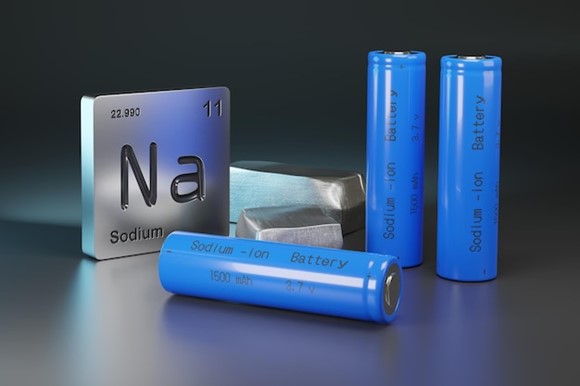
Sodium is cheaper to acquire (Source)
Reasons for use: Sodium is easier and cheaper to acquire, has a lower risk of thermal runaway (for selected variants), and is operable at low temperatures.
Used in: Stationary power storage, electric scooters/bikes,
Possible issues: Lower energy density, slower charging speed, and lower operating voltage.
Sodium-ion batteries could become another solid alternative to Li-ion batteries in 2026. Recently, Contemporary Amperex Technology Limited (CATL) announced the mass production of sodium-ion batteries with an energy density of 175Wh/kg. They can operate at temperatures as low as -40°C and maintain 90% of usable capacity, allowing transport vehicles to work even in cold regions.
Which type is best?
The standard Li-ion batteries will eventually be phased out, but what replaces them as the new standard? No one knows yet, but silicon-carbon batteries became very popular last year, so they could become the new standard.
Many smartphone manufacturers have opted to use a silicon-carbon battery for selected models instead of Li-ion batteries. This has resulted in slimmer devices and larger battery capacities.
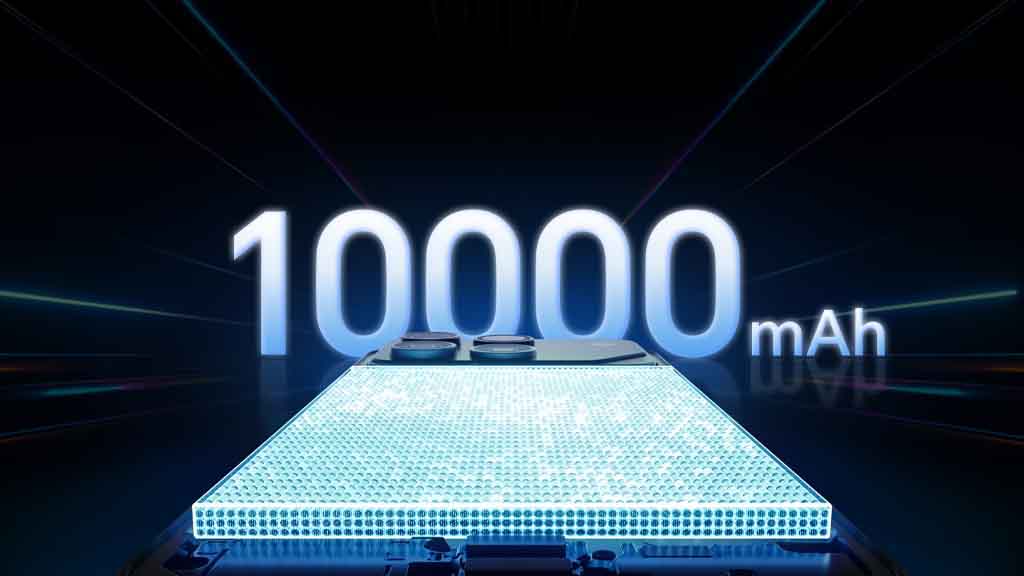
For instance, the Honor Magic V5 foldable phone sports an incredibly thin 4.2mm body when unfolded. Despite that, it still packs a respectable 5820mAh capacity silicon-carbon battery. There are also phones with huge batteries, such as the Honor Power 2 (10080mAh) and OnePlus Turbo V6 (9000mAh).
As for industries like the EV industry, there's no clear sign of a dominant trend yet. If Donut Lab can deliver its promises and manufacture its solid-state battery at a reasonable cost, we could see the rise of solid-state batteries in the EV industry. Some companies are already investing in factories to manufacture solid-state batteries, so mass production is now possible.
Advances in battery technology will affect the development of future electronics, so it's a topic worth paying attention to. Hopefully, there will be more news on battery advancements in 2026. Until then, stay tuned to TechNave for more articles like this.


COMMENTS