
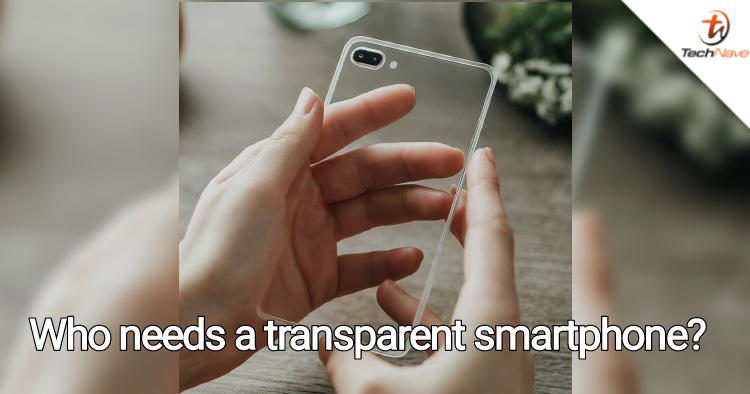
In light of the recent Lenovo Project Crystal at MWC 2024, we thought it’d be timely to bring up the idea of a transparent smartphone (again). It’s a concept that has been brought up in numerous discussions and various TV shows as the mobile device of the future (or at least it was used by people in the future). So... who would actually need a transparent smartphone?
After thinking about it, our short answer is: No one. But you can read on to find out why. Or you can scroll down to the comments and tell us why we’re wrong… or right, but we’d recommend at least reading why we say so.
The Pro(s) of a transparent smartphone
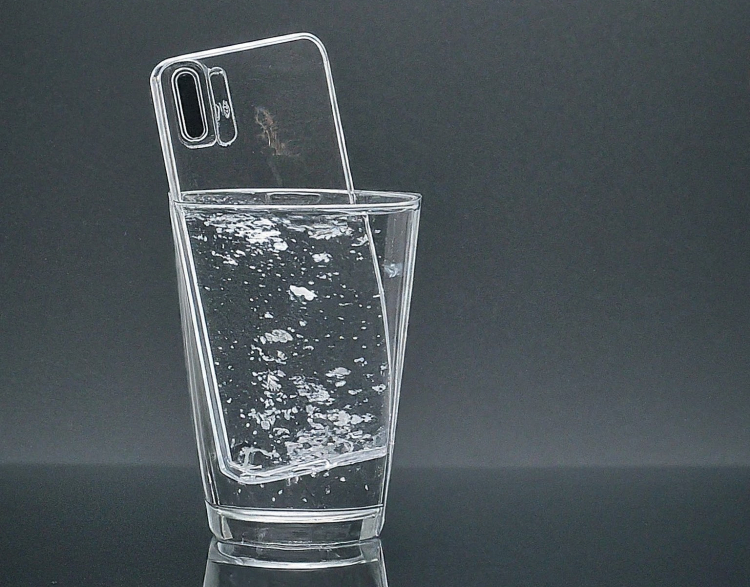
If it was transparent, we suppose it could also be water resistant too
We have to admit, just like the microLED transparent screen of Lenovo’s Project Crystal, a transparent smartphone would definitely look cool. And for a little while, it would definitely be a head turner for people who like to show off their tech even if it still used the same rounded corners slate look of current smartphones.
Unfortunately, we can’t think of any other practical advantage just now, so let’s go through the Cons first.
The Cons of a transparent smartphone
Durability - A very wise tech guy once said, Glass is Glass and glass breaks (yes, it was Zack from Jerry Rig Everything), so even if the device is made using the latest, strongest glass possible, toughness and durability would be a major issue for a transparent smartphone. We can only imagine what might happen if you put a transparent glass smartphone in your back pocket and then sat on it.
A transparent smartphone made from plastic substrate might be tougher, but won’t necessarily feel as nice to touch as glass, so we don’t think it's a material that most transparent smartphone makers would consider. It would also make such a device look cheaper and while it might actually make it more affordable to build, it might look more like a cheap toy than a premium device.
Very basic tech specs - Batteries, mainboards and chipsets are not transparent just yet. To reduce the amount of visible components, we expect transparent smartphone makers to cover up a small portion for these components or use very small or basic components. As such, we’d expect the tech specs of such a device to be rather basic or as low-end as possible.
Past transparent phone attempts:
Polytron, 2013
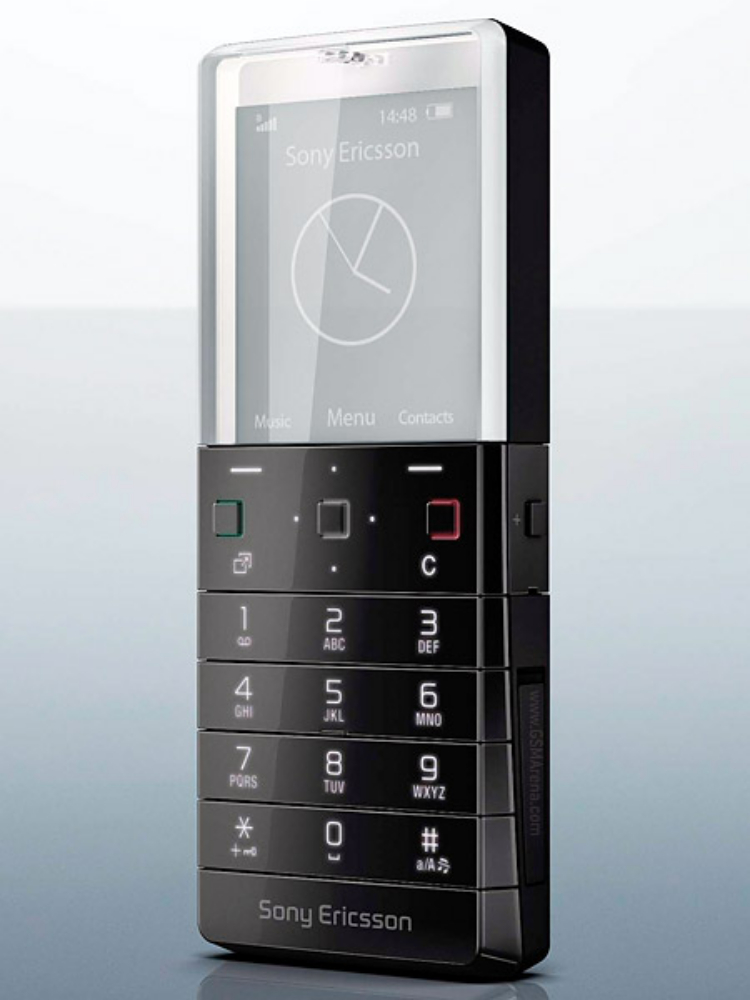
Sony Xperia Pureness, 2009 (image sourced from GSMarena)
Here’s what AI (ChatGPT 3.5) thought about it:
While transparent smartphones may seem futuristic and visually appealing, their practical benefits are somewhat limited. Some potential advantages include:
1. Aesthetic Appeal: Transparent smartphones offer a unique and visually striking design that can appeal to tech enthusiasts and those who appreciate innovative aesthetics.
2. Novelty Factor: They can generate interest and buzz as a novelty item or limited-edition release, potentially boosting brand visibility and attracting customers.
3. Design Showcase: Transparent smartphones can showcase internal components and engineering, providing a glimpse into the device's inner workings, which may interest hobbyists, developers, or tech enthusiasts.
However, transparent smartphones also come with drawbacks and challenges, including durability concerns, reduced privacy (as others can see through the device), and potential difficulty in reading the screen under certain lighting conditions. Overall, while they offer some unique advantages, transparent smartphones may not yet offer significant practical benefits compared to conventional designs.
ChatGPT 3.5
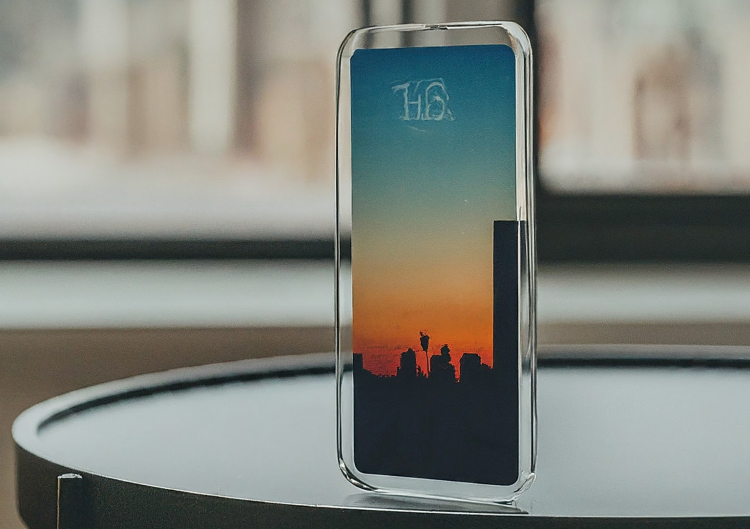
I can just imagine trying to find a misplaced transparent smartphone and it sounds a lot harder
Conclusion - Cool but not very practical
While we do think a transparent screen laptop and transparent smartphone would look very cool, the sheer lack of practical benefits outweigh any sort of aesthetic appeal such devices can offer. It's also not the first time someone has tried to make it and we can't say that they were very popular (who here has heard of the previous past attempts above?) But then again, there are just as many people out there who buy phones and laptops for the looks alone, so there might be a market for such devices as well.
We think that such devices would have much better use cases for Augmented Reality or AR smart glasses and for Heads-Up Displays built into a Car windshield / windscreen. In fact, BMW is actually working on such a windshield, but there are no Malaysia release dates or pricing details just yet.
What do you think? Do you think there are any benefits to having a transparent smartphone or transparent screen laptop? Did we miss any other past contenders? Share your thoughts in the comments below and stay tuned to TechNave for more articles that explore the potential of tech.
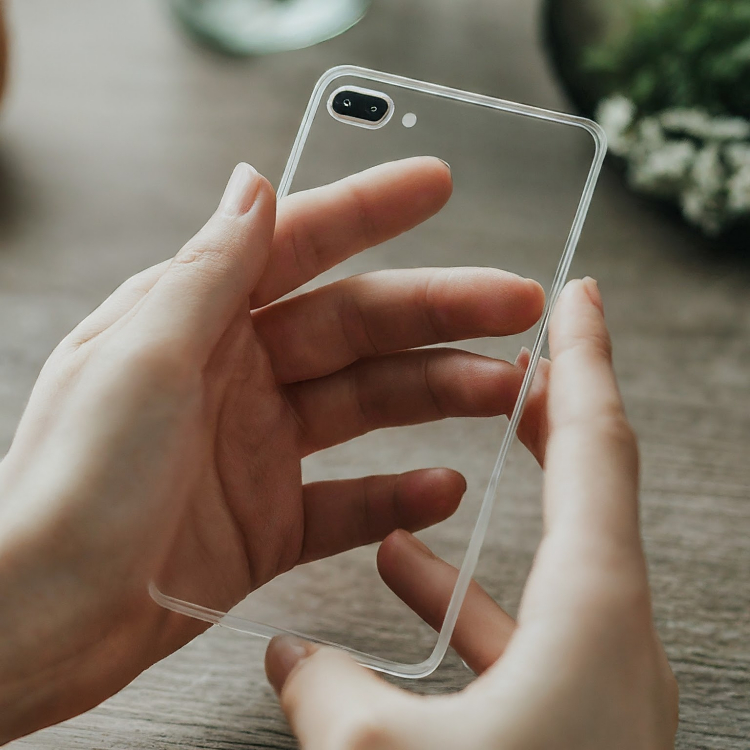
This image and some of the other images above were generated using Gemini AI, so unfortunately, they aren't real... yet.

COMMENTS